
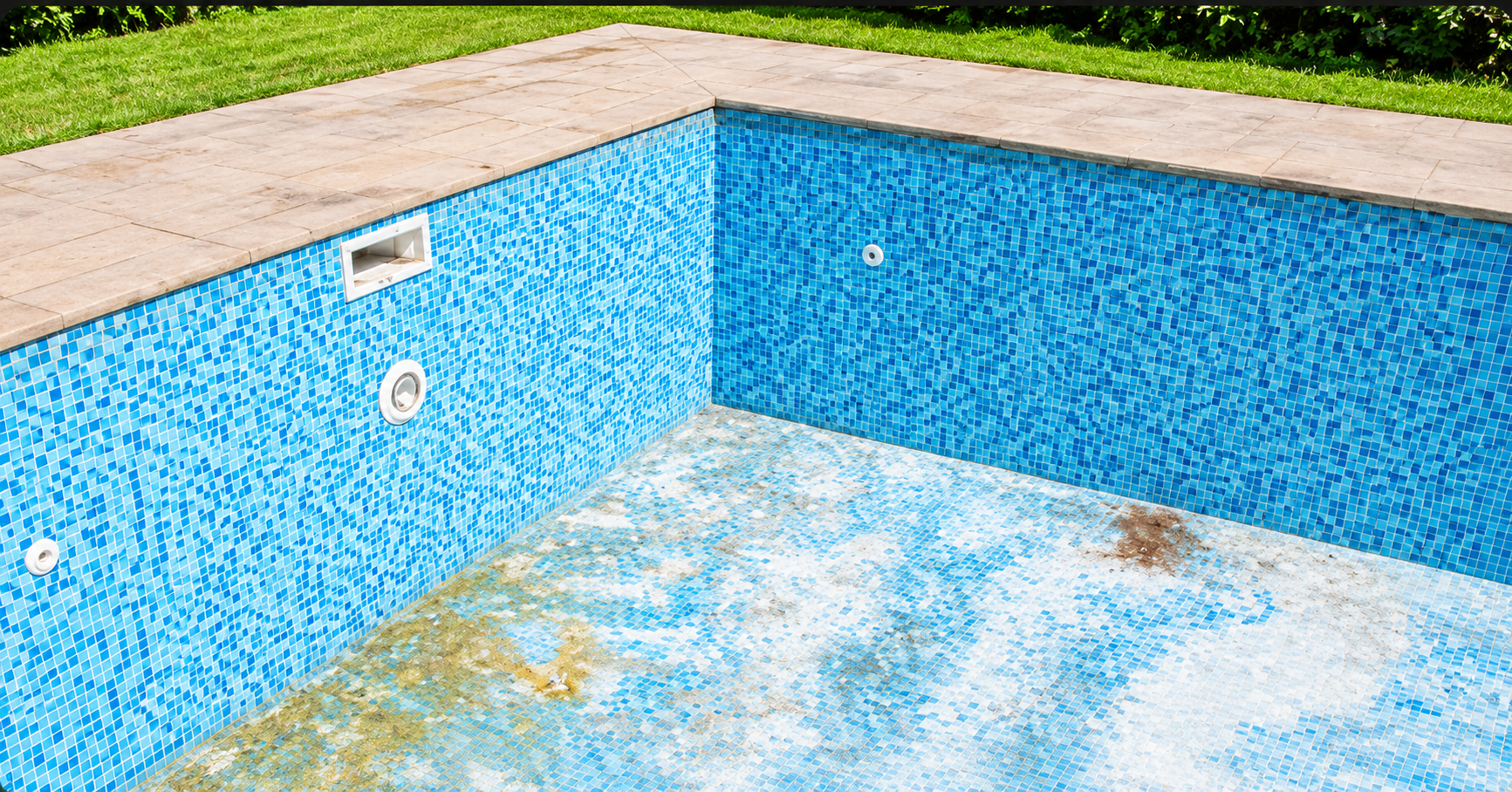
Pool stains usually point to organic debris, metals, mineral buildup, or changes in the pool finish. The right removal method depends on the source and surface material. Start with inspection and water testing, then choose a compatible treatment rather than adding chemicals based on color alone.
For homeowners researching Pool stain removal in Miami, understanding the cause is the first step toward a cleaner finish. A brown patch beneath leaves may need a different approach from discoloration caused by dissolved iron. Treating both the same way can waste time and leave the original problem unresolved.
Miami pools face year-round use, landscaping debris, strong sunlight, and heavy rain. These conditions make consistent maintenance important, but even a well-maintained pool can develop discoloration. Here is what those marks may reveal and how professional treatment can help.
What Causes Pool Stains?
Understanding what causes pool stains starts with separating material deposited on the surface from changes within the finish itself. The most common categories are organic staining, metal staining, and mineral deposits.
Organic Debris and Algae
Leaves, flowers, grass clippings, and other organic matter can leave marks when they remain against the pool floor or steps. Brown or greenish patches beneath settled debris often suggest an organic source.
Algae can also create discoloration, particularly where brushing and circulation are limited. However, a green mark does not automatically confirm algae. Its texture, location, and response to appropriate testing help distinguish biological growth from other causes.
Metals in the Water
Iron and copper can enter through source water, certain pool products, or corroding equipment components. Changes in water chemistry may cause dissolved metals to form deposits on the finish.
Iron often produces rust-colored or brown marks. Copper may produce blue-green, gray, or darker discoloration. These are useful clues, but overlapping colors make testing more reliable than appearance alone.
Mineral Buildup and Finish Changes
Calcium deposits may appear as pale, rough, or discolored buildup, especially around the waterline. Deposits can trap dirt and become more noticeable over time.
Some apparent swimming pool stains are actually mottling, etching, or worn areas of the finish. These conditions require assessment because a stain remover cannot correct every type of surface change.
How to Identify Pool Stains Before Treatment
Learning how to identify pool stains means looking beyond a color chart. Record when the mark appeared, where it sits, and whether it followed a storm, refill, equipment problem, or chemical addition.
Use these observations to guide the inspection:
Observation | Possible explanation | Useful next step |
Brown patch beneath leaves | Organic staining | Remove debris and assess the exposed area |
Rust-colored spot around a metal object | Localized metal staining | Remove the object and investigate the source |
Widespread discoloration after refilling | Metals introduced with water | Test pool water and the refill source |
Rough, pale buildup near the waterline | Mineral scale | Evaluate deposits and water balance |
Uneven color without a clear deposit | Finish variation or deterioration | Have the surface inspected |
Photographs help track changes, particularly when stains fade and return. Note whether the area feels raised, rough, slippery, or unchanged, without scraping it with sharp tools.
Keep a simple record of recent maintenance, including products added, refill dates, and unusual equipment behavior. Share this information during the inspection. A stain that appeared immediately after treatment presents a different diagnostic history from a mark that developed gradually beneath accumulated leaves over several weeks of limited cleaning.
Professional Pool stain removal in Miami should include reviewing water chemistry and, where appropriate, testing for metals. A technician may use a surface-compatible spot test to narrow down the cause before treating a larger area.
How to Remove Pool Stains Without Damaging the Finish
The answer to how to remove pool stains depends on what created them. Effective treatment combines source control, suitable cleaning, and balanced water conditions.
Remove Debris and Check Water Conditions
Skim floating material, remove objects from the bottom, and clean baskets before treatment. Brush with equipment approved for the pool finish and check that circulation and filtration are working properly.
Water testing should assess sanitizer, pH, alkalinity, and calcium hardness, with additional tests as needed. Pool volume, stabilizer levels, and product instructions influence treatment decisions. Avoid estimating chemical doses from the size or darkness of a stain.
Treat Organic Staining
Organic discoloration may improve after debris removal, brushing, and a correctly selected oxidation treatment. Active algae also requires attention to sanitation, circulation, and filtration.
Do not leave concentrated chlorine resting directly on the finish. Localized chemical exposure can bleach or damage susceptible surfaces. Follow the treatment label and finish manufacturer’s guidance, including when swimming can resume.
Address Metal Staining at Its Source
Metal stains need a treatment selected for the identified contaminant. Some reducing agents can lift certain metal stains, but one product will not suit every metal or finish.
Lifting the stain may return metals to the water rather than remove them from the pool. Follow-up management is therefore important. A sequestrant helps keep metals from depositing, while actual removal may require a compatible capture process or another professional strategy.
Pool stain removal in Miami should also consider why metals entered the water. If corrosion or repeated refilling continues to introduce contamination, discoloration may return after an initially successful treatment.
How to Remove Stains From Pool Plaster
Homeowners asking how to remove stains from pool plaster should first confirm the finish type, age, and condition. Traditional plaster, quartz finishes, exposed aggregate, fiberglass, and vinyl do not tolerate identical products or tools.
For plaster, begin with diagnosis and the least aggressive suitable treatment. A professional can determine whether targeted cleaning is appropriate or whether deposits, surface deterioration, or another condition need attention.
Acid wash service is a more intensive option that removes a thin surface layer. It should follow an assessment of the finish and whether simpler methods can address the problem. Repeated aggressive treatment can shorten the useful life of a surface.
Draining also requires professional judgment. In South Florida, groundwater conditions can create serious risks for an emptied pool. Do not drain a pool simply because brushing has failed to remove a mark.
What to Expect From Professional Pool Stain Removal in Miami
A professional visit should establish the likely cause, explain the recommended method, and set realistic expectations for the finish. Ask whether the problem is a removable deposit, an active growth issue, or a change in the surface itself.
Pool Wizards describes a targeted underwater stain-removal service using scuba equipment. Its process includes locating stains, applying treatment to problem areas, cleaning those areas, and reinspecting the surface. This approach allows suitable stains to be addressed without draining the pool.
The technician should determine whether that method fits your pool. Underwater treatment is different from a full acid wash, and tool selection should reflect the finish. Ask what follow-up testing or maintenance will help reduce recurrence.
Discuss the scope before work begins: which marks will be treated, whether multiple visits may be needed, and what results are reasonable. Stain depth, surface condition, and ongoing contamination affect the outcome, so an inspection is more useful than a blanket promise.
How to Prevent Pool Stains in Miami
Knowing how to prevent pool stains helps protect the results of cleaning. Prevention works best when routine care addresses the original source of discoloration.
Keep Debris From Settling
Skim regularly and remove leaves, flowers, and fallen objects promptly. Brush steps, corners, and other areas where debris collects. After heavy rain or landscaping work, check the pool before material remains against the finish for an extended period.
Maintain Consistent Water Balance
Monitor water conditions throughout the year and reassess after major rainfall, substantial refilling, or heavy use. Balanced chemistry supports the finish and equipment while reducing conditions that encourage scale or metal deposition.
More chemical is not automatically more effective. Choose products for the specific problem and follow their instructions, especially when combining a stain-treatment program with routine sanitation.
Investigate Recurring Sources
Returning stains deserve further investigation. Test replacement water when metals are suspected, review products that introduce copper, and inspect equipment if corrosion may be involved.
A pool cleaning service in Miami can support prevention through regular testing, brushing, debris removal, and equipment checks. Pool Wizards lists these tasks within its residential weekly service, helping owners identify changes before they become larger maintenance problems.
Following Pool stain removal in Miami with consistent care gives homeowners a practical way to manage both appearance and the conditions behind recurring discoloration.
Give Your Pool a Clearer Path Forward
Stains provide clues about debris, water chemistry, metals, and the condition of your pool finish. Start with identification, select a surface-appropriate treatment, and correct the source to reduce repeat problems.
Request a free quote from Pool Wizards for Pool stain removal in Miami and an assessment of your pool’s discoloration.
Call (786) 772-3151 to discuss stain treatment and ongoing pool care.
FAQs
Can pool stain color tell me exactly what caused it?
No. Different causes can produce similar colors. Location, texture, water tests, maintenance history, and a suitable spot test provide a more dependable diagnosis.
Will pool shock remove every stain?
No. Correctly selected oxidation treatment may help organic staining, but metal stains and mineral deposits need different approaches. Additional shock can sometimes make metal discoloration more noticeable.
Can pool surface stains be removed without draining?
Some can. Targeted underwater treatment may address suitable stains while the pool remains filled. The best method depends on the stain, finish, and inspection findings.
Why do stains return after cleaning?
The source may still be present. Dissolved metals, recurring debris, unbalanced chemistry, or equipment corrosion can cause new marks unless follow-up care addresses them.
When should I arrange Pool stain removal in Miami?
Arrange an assessment when marks persist after routine cleaning, spread, return repeatedly, or appear alongside roughness or equipment concerns. Early diagnosis helps avoid repeated treatments that do not match the cause.