
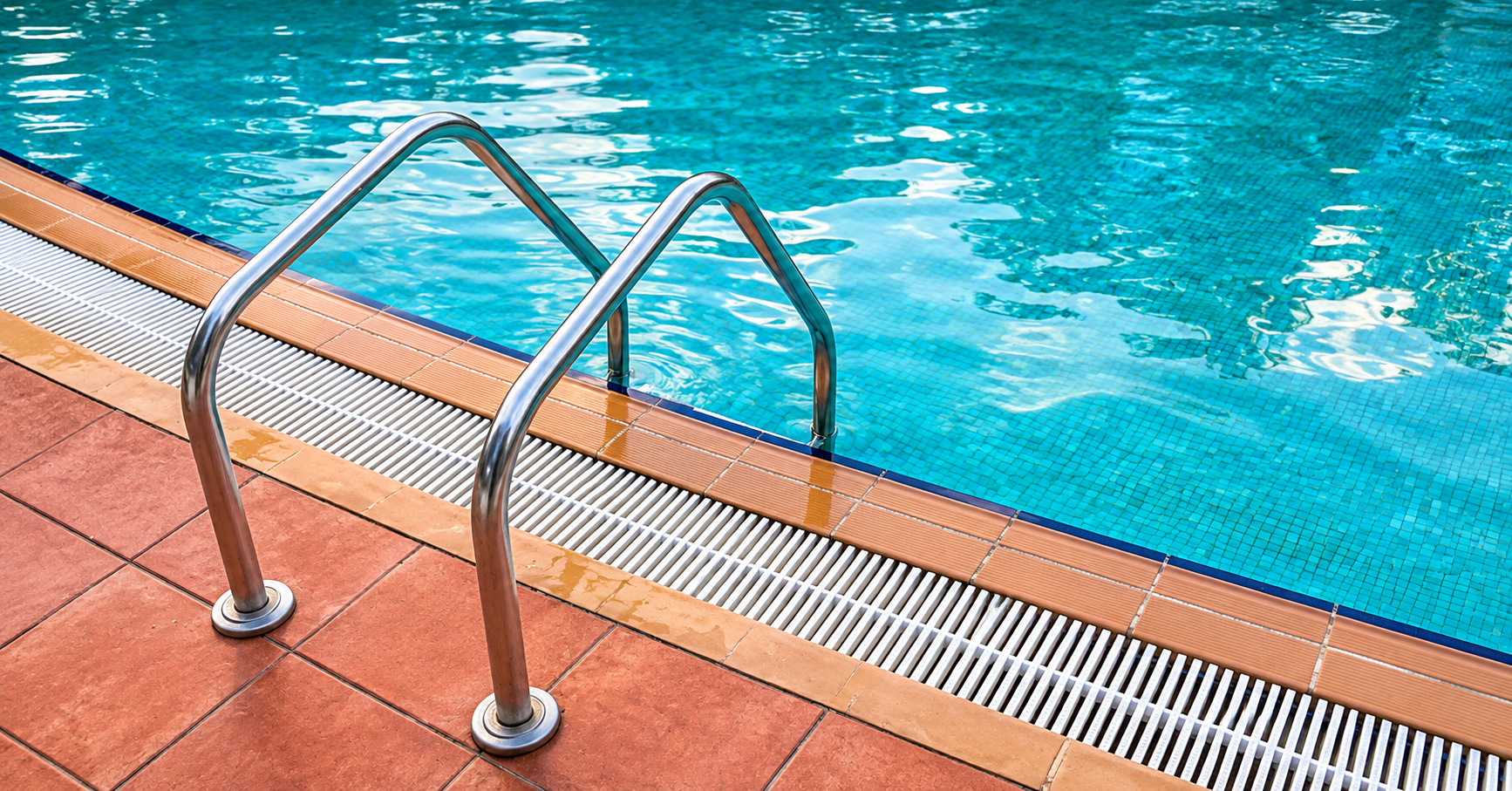
After a heavy Miami rainstorm, you notice puddles forming around your swimming pool. Most of the deck dries within a short time, but certain areas remain wet for hours. At first, you might blame the weather. However, water that repeatedly collects in the same spots could indicate a drainage problem.
The most common signs of clogged pool deck drains include standing water, slow drainage, overflowing channels, unpleasant odors, recurring algae buildup, trapped debris, and moisture accumulating near surrounding structures.
These problems may seem minor initially, but leaving them unaddressed can create slippery walking areas and contribute to deterioration of certain deck materials. Understanding, when pool deck drain cleaning service necessary, helps homeowners may be respond before drainage problems become more disruptive.
Why Proper Pool Deck Drainage Matters in Miami
Pool deck drains collect rainwater, splash-out, and surface runoff, directing it toward designated drainage outlets. Depending on the property, these systems may include channel drains, trench drains, or connected underground pipes. Unlike the pool’s filtration system, which circulates water through equipment, deck drainage manages water collecting outside the swimming pool.
Proper drainage is especially important in Miami, where intense afternoon thunderstorms can produce substantial rainfall within a short period. Properties in Miami Beach, Aventura, North Miami, and surrounding communities may also experience runoff carrying sand, leaves, and landscaping debris toward outdoor drains.
When water cannot move through the drainage system efficiently, it may collect around the swimming pool.
Poor drainage can contribute to:
- Slippery walking surfaces near the pool.
- Dirt and organic debris accumulating around drain openings.
- Algae growth on persistently damp surfaces.
- Staining or deterioration of certain deck materials.
- Water collecting near landscaping, patios, and entrances.
Not every puddle indicates a blockage. Heavy rainfall, inadequate deck slope, and limited drainage capacity can produce similar symptoms. Recognizing the difference helps homeowners choose the appropriate solution.
7 Hidden Signs Your Pool Deck Drains May Be Clogged
1. Standing Water Remains Long After Rainfall
A small puddle immediately after a storm is not unusual. However, water remaining for hours after surrounding surfaces have dried deserves attention. If water repeatedly collects near the same drain, leaves or sediment may be blocking the opening or drainage channel.
For example, a Miami homeowner may notice that water consistently gathers along one side of the pool after an afternoon thunderstorm. This could indicate a restriction beneath the grate. However, the problem could also involve an uneven deck or an outlet that cannot release water efficiently.
What should you do?
Observe where water collects and whether the drainage opening contains visible debris. If the same area repeatedly floods, a pool deck drain cleaning service may help address an obstruction, although grading or drainage capacity may also need evaluation.
2. Water Drains Much More Slowly Than Before
Slow-draining pool deck drains are often an early indication that debris is accumulating inside the system. You might notice water moving slowly through the channel after washing the deck or taking noticeably longer to disappear after rainfall. Sand, soil, grass clippings, and small leaves can gradually reduce the available space for water to pass through. Unlike a complete blockage, partial restrictions may allow some water to escape, making the problem easy to overlook.
What should you do?
Remove loose debris from accessible drain openings and observe whether drainage improves. If water continues moving slowly, a deeper obstruction may be present. Clearing a developing blockage may be easier than dealing with a fully backed-up drain.
3. Water Overflows from Drainage Channels
Water spilling over a drainage grate can indicate that the system cannot handle the amount of runoff entering it. During an unusually intense storm, even a functioning drainage system may temporarily reach its capacity. However, frequent overflowing during ordinary rainfall suggests that something may be restricting water movement.
For example, a channel filled with compacted leaves might allow water to enter but prevent it from reaching the outlet. Repeated overflow can spread dirty water across the surrounding deck and create slippery conditions.
What should you do?
Check for visible obstructions after the rain stops and conditions are safe. If overflow continues despite surface cleaning, a qualified drainage technician can determine whether the problem involves a clog or insufficient drainage capacity.
4. Unpleasant Odors Develop Near Drain Openings
An unusual smell around a drainage channel may indicate that organic material has accumulated inside it. Leaves, grass, mulch, and other debris can become trapped in damp spaces. As the material decomposes, unpleasant odors may develop.
You may notice the smell becoming stronger after rainfall or when water flows through the channel. However, odors alone do not confirm a blockage. Nearby landscaping, stagnant water, or other outdoor conditions can also contribute.
What should you do?
Remove accessible debris and inspect the surrounding area for trapped organic material. Avoid pouring aggressive chemical drain cleaners into outdoor drainage systems. These products may damage certain materials or discharge into unintended areas. When odors persist alongside slow drainage, professional cleaning may be appropriate.
5. Algae, Dirt, or Dark Stains Keep Returning
Repeated discoloration around a drain may indicate that the area remains damp longer than expected. Moisture combined with organic debris can encourage algae growth and leave visible dirt deposits on suitable surfaces.
Common observations include greenish patches, dark staining near drain edges, or slippery buildup that returns shortly after cleaning. Miami’s warm conditions can make persistently damp outdoor surfaces particularly susceptible to biological growth. However, staining is not always caused by a clogged drain. Shade, irrigation overspray, and surface conditions may also contribute.
What should you do?
Compare the affected area with surrounding deck surfaces. If the location repeatedly remains wet after nearby sections dry, professional pool deck drain cleaning may be helpful for Miami properties experiencing recurring debris buildup. The source of excess moisture should also be checked.
6. Leaves and Sediment Keep Collecting Around Drain Grates
One of the easiest warning signs to recognize is debris repeatedly gathering over drainage openings. Pool decks surrounded by palms, shrubs, and tropical landscaping may collect leaves, flowers, soil, and mulch after windy weather. During Miami’s rainy season, runoff can carry this material directly toward drainage channels.
Even when the grate appears mostly open, debris may have accumulated beneath it. Over time, compacted material can reduce drainage efficiency.
What should you do?
Clear loose debris from accessible grates regularly, particularly after storms or landscaping work. Avoid sweeping leaves and dirt directly into the drainage channel. If material has become trapped deeper inside the system, a pool deck drain cleaning service may be needed to restore water movement.
7. Water Collects Near Walls, Patios, or Landscaping
Some drainage problems become noticeable away from the drain itself. You might find water accumulating near a patio entrance, outdoor wall, landscaping border, or the edge of the pool deck.
This can happen when runoff cannot reach its intended outlet or when the surrounding surface directs water toward an unintended location. If water repeatedly collects near your home, cleaning the drain alone may not solve the problem. Persistent moisture exposure can contribute to staining and deterioration of certain building materials, depending on the conditions.
What should you do?
Pay attention to where runoff travels during rainfall. A drainage specialist can evaluate whether the problem involves an obstruction, damaged piping, improper grading, or another issue requiring corrective work.
What Causes Pool Deck Drainage Problems?
Understanding the causes of pool deck drainage problems can help homeowners recognize conditions that make recurring clogs more likely.
Landscaping Debris and Organic Material
Leaves, flowers, mulch, and grass clippings frequently enter outdoor drains. Once trapped, these materials can accumulate and restrict water flow.
Sand, Soil, and Sediment
Rainwater can carry fine particles into drainage channels. Over time, settled sediment may create partial blockages.
Damaged Pipes or Poor Drainage Design
Some recurring problems have little to do with debris. Broken drainage pipes, inadequate slope, blocked outlets, or insufficient system capacity can prevent water from leaving the deck efficiently. These conditions may require drainage repairs rather than routine cleaning.
When Is Professional Pool Deck Drain Cleaning Necessary?
Basic surface maintenance can remove visible debris, but it may not address obstructions inside drainage channels or underground piping. A pool deck drain cleaning service is most useful when standing water, overflowing drains, or slow water movement continues after accessible debris has been removed.
Finding the Source of the Problem
A qualified drainage technician can inspect the system’s accessible components and identify where water movement is restricted. This helps determine whether removing accumulated material is sufficient.
Cleaning Without Damaging the System
Outdoor drainage systems may contain plastic channels, metal grates, concrete sections, and underground connections. The cleaning method should match the drainage design and condition of its components. Using unsuitable equipment or excessive force can create additional damage.
Recognizing When Cleaning Is Not Enough
Some properties require more extensive pool deck drainage solutions. For example, a deck that slopes toward a building may continue collecting water even after every drain has been cleared.
A drainage professional can explain whether the situation requires cleaning, pipe repair, improved runoff management, or changes to the existing drainage layout.
How to Prevent Pool Deck Drain Clogs
Homeowners often want to know how to prevent pool deck drain clogs before standing water becomes a recurring problem.
A few practical habits can help keep drainage openings clear and reveal potential issues early.
- Remove visible debris regularly. Clear leaves, grass, and loose material from accessible drain openings before they enter the system.
- Inspect drainage areas after storms. Miami’s heavy rainfall can carry sediment and landscaping debris across outdoor surfaces.
- Avoid directing dirt into drains. Collect debris during deck cleaning instead of washing or sweeping it toward drainage channels.
- Monitor recurring wet spots. Notice whether particular sections remain damp longer than surrounding surfaces.
- Arrange appropriate inspections when problems return. Repeated clogs may indicate a deeper obstruction or an issue with the drainage layout.
Regular maintenance may help prevent emergency drain cleaning and reduce the inconvenience of standing water around the pool.
Choosing the Right Pool Deck Drain Cleaning Company in Miami
When comparing a pool deck drain cleaning company in Miami with other local providers, focus on experience with outdoor channel drains, drainage outlets, and runoff-related problems.
Before scheduling service, ask whether the company:
- Handles the specific type of deck drain installed on your property.
- Can investigate blockages inside connected drainage piping.
- Uses appropriate cleaning methods for your drainage materials.
- Can distinguish a clog from a grading or drainage capacity issue.
- Explains the work needed before beginning repairs.
These questions are important because pool deck drains and pool filtration equipment serve different purposes. A company specializing in swimming pool plumbing may not automatically provide deck runoff drainage services.
How Pool Wizards Supports Pool Maintenance in Miami
Keeping the swimming pool and its surrounding area in good condition requires attention to several different systems.
Pool Wizards has served Miami-area homeowners since 1984, providing residential pool maintenance, equipment inspections, pool plumbing repairs, and leak detection services. Its weekly maintenance includes water chemistry testing, debris removal, filter care, and checks of pool equipment for potential problems.
The company also offers repairs involving pool circulation plumbing and leaking equipment. These services can be relevant when a homeowner notices water around the swimming pool and needs to determine whether the concern is related to pool equipment or another part of the property.
However, deck surface drainage and pool circulation plumbing are separate systems. Dedicated deck drain cleaning should be handled by a provider who confirms experience with that work.
For homeowners across Miami, Miami Beach, Aventura, North Miami, and nearby communities, understanding which system is causing the problem helps avoid unnecessary service visits and repairs.
Conclusion
Clogged pool deck drains can create problems that are easy to overlook until water begins accumulating around the swimming area. Standing water, recurring odors, debris buildup, and slow drainage are signs that deserve attention.
Regular cleaning and prompt investigation can help keep outdoor surfaces usable and reduce avoidable moisture problems. When an obstruction is suspected, a qualified pool deck drain cleaning service can determine whether cleaning or additional drainage work is needed.
Noticing unexplained water around your pool? Call Pool Wizards at (786) 772-3151 to discuss pool maintenance, plumbing, or leak-related concerns and confirm the appropriate service.
Take action before water problems become more disruptive. Request a pool service consultation or seek a qualified deck drainage specialist when the issue involves surface runoff drains.
FAQs
What are the most common signs of clogged pool deck drains?
Common signs include standing water, slow drainage, overflowing channels, unpleasant odors, recurring algae buildup, and visible debris around drain openings. Persistent wet areas may also indicate a drainage problem.
Why does water collect around my pool after heavy rain?
Water may collect because of a clogged drain, insufficient drainage capacity, improper deck slope, or a blocked outlet. Intense rainfall can also temporarily overwhelm a functioning drainage system.
How often should pool deck drains be cleaned in Miami?
Inspect visible drain openings regularly and after major storms. Cleaning frequency depends on nearby landscaping, rainfall exposure, and the amount of debris accumulating around the pool.
Can I clean clogged pool deck drains myself?
You can remove loose debris from safely accessible grates and openings. However, deep blockages, damaged piping, or recurring drainage problems should be evaluated by an appropriately qualified professional.
Can clogged deck drains damage my pool deck?
Persistent standing water can contribute to staining, slippery buildup, and deterioration of certain deck materials. The risk depends on the surface construction, drainage conditions, and duration of moisture exposure.
Are pool deck drains connected to the pool filtration system?
Pool deck drainage and pool filtration are generally separate systems. Deck drains manage surface runoff, while the filtration system circulates pool water through pumps, filters, and related equipment.