
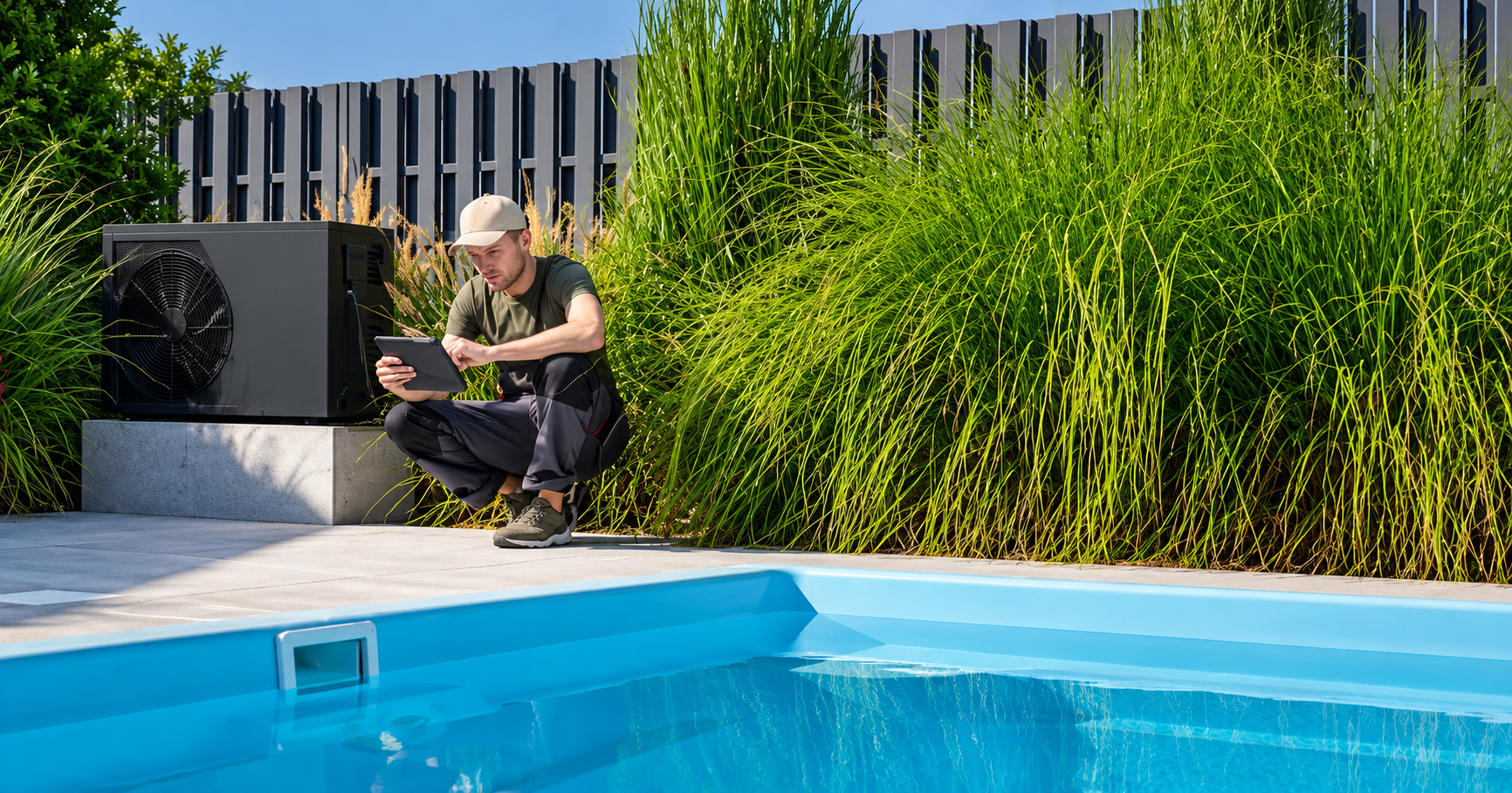
If your pool app stops responding, schedules disappear, valves stop switching, or equipment no longer follows commands; the automation system may need more than a simple reset. Pool automation is designed to make everyday pool operation easier by managing pumps, heaters, lights, spa modes, valves, filtration schedules, and other connected features. When one part of that system fails, it can affect several pieces of equipment at once.
For homeowners looking for pool automation repair in Miami, the first step is understanding whether the issue involves the controller, configuration, communication, valve actuator, power supply, or connected pool equipment. Pool Wizards helps Miami pool owners diagnose smart-control problems and determine whether the system needs repair, reconfiguration, an upgrade, or replacement.
7 Signs Your Pool Automation System May Need Repair
Common signs of pool automation trouble include an unresponsive control panel, app or remote failures, missed schedules, valve actuator problems, recurring error messages, equipment that does not follow commands, and settings that work inconsistently.
- The Control Panel Does Not Respond
If the display freezes, buttons stop working, or menu options no longer respond properly; the controller may have a fault or power-related issue. A single temporary glitch may clear after a normal restart, but repeated control-panel failures should be investigated.
- Your Pool App or Remote Stops Working
If your app shows the system but commands no longer reach the equipment, the problem may involve communication, configuration, the controller, or the equipment receiving the command. This does not always mean the app itself is defective.
- Equipment Stops Following Programmed Schedules
Automation should allow equipment to operate according to programmed times.
Warning signs include:
- Pumps not starting as scheduled
- Lights failing to turn on or off
- Heating commands not activating
- Filtration schedules being skipped
Repeated schedule failures may indicate a control or configuration problem.
- Valves Stop Switching Correctly
Automated valve actuators help direct water through different parts of the system. If a valve stops moving, moves only partially, or switches to the wrong position, pool and spa functions may stop operating correctly.
- Error Messages Keep Returning
Recurring warnings or error codes usually deserve more attention than a one-time notification. Repeated errors can point to controller issues, communication faults, actuator problems, or connected-equipment failures.
- Some Features Work While Others Do Not
A pump may respond normally while the heater does not. Lights may work while spa mode fails. Partial operation can help narrow down whether the problem involves one connected device or the automation system itself.
- Settings Work Inconsistently
If schedules disappear, commands work only sometimes, or saved settings do not behave reliably; the system may need professional diagnosis. These are common reasons homeowners seek Miami pool automation repair rather than continuing to reset the system.
What Does a Pool Automation System Control?
A pool automation system manages one or more connected pool functions from a central controller, remote, or app.
Depending on the system, it may control:
- Pumps
- Filtration schedules
- Pool heaters
- Spa functions
- Pool and landscape lighting
- Automated valves
- Water features
- Equipment timers
Not every system controls the same equipment.
The exact functions depend on the controller, connected hardware, and system configuration. When several automated functions stop working, pool automation system repair may be needed to determine whether the issue is with the controller or another component.
Why Do Pool Automation Systems Stop Working?
Automation problems can come from several different sources.
- Power or Electrical Problems
If the controller or connected equipment is not receiving proper power, automation features may stop responding. Electrical faults should be inspected by a qualified professional rather than bypassed or tested without appropriate knowledge.
- Communication or Control Issues
The controller may fail to send commands correctly, or the connected equipment may stop receiving them. This can cause apps, panels, pumps, heaters, or valves to appear unresponsive.
- Setup or Configuration Errors
Programming errors can sometimes make a functioning system appear broken. Schedules may have been changed, equipment assignments may be incorrect, or settings may no longer match the intended operation.
- Valve Actuator Failure
Valve actuators physically move automated valves. A failed actuator can stop pool and spa mode changes, water-feature operation, or other functions that depend on water being redirected.
- Problems With Connected Pool Equipment
Sometimes the automation system sends the correct command, but the equipment itself does not respond. For example, a pump problem may require pool pump repair, while a heater that does not activate may need pool heater repair rather than control-panel replacement.
The same principle applies to pool light repair when the automation system works but the lighting equipment does not.
7 Things to Check Before Calling for Pool Automation Repair
Before scheduling service, a few basic observations can help determine whether the issue affects one function or the entire automation system.
- Confirm the System Has Power
Check whether the control panel and connected equipment are receiving normal power.
- Determine Whether One Feature or Everything Is Affected
If only one device is not responding, the problem may be equipment-specific. If nothing responds, the issue may involve the controller, power, or communication.
- Look for Error Messages
Write down any warning or error code displayed on the control panel or app. This information can help during diagnosis.
- Review the Programmed Schedules
Confirm that equipment schedules have not been changed accidentally.
- Check Whether Manual Controls Still Work
If the equipment operates manually but not through automation, that can help narrow down the problem.
- Think About Recent Events
Note whether the issue began after:
- A power outage
- A storm
- An equipment replacement
- A programming change
- Pool service work
- Avoid Repeated Resets
If the same issue keeps returning, repeated resetting is unlikely to fix the root cause. Do not open electrical panels, bypass safety devices, or attempt electrical repairs without proper qualifications.
Why Is My Pool App Connected but Nothing Is Responding?
A connected app does not always mean the automation system is successfully communicating with the pool equipment. Several issues may cause this situation.
Communication Failure
The app may connect to the system while the controller fails to communicate correctly with specific equipment.
Controller Problem
The automation controller may receive the command but fail to send it properly.
Equipment-Side Failure
The controller may be working, but the pump, heater, light, or actuator may not respond.
Configuration Error
Incorrect equipment assignments or settings can prevent commands from reaching the intended device.
Network or Connection Issue
Some systems rely on network connectivity for remote features. If the network side of the system is disrupted, app controls may stop working even though local controls continue functioning. If the app remains connected but commands consistently fail, professional pool control repair can help determine where communication is breaking down.
When Should You Call for Pool Automation Repair in Miami?
Professional service is appropriate when the controls remain unresponsive, schedules repeatedly fail, error messages return, or automated valves no longer operate correctly.
Consider requesting pool automation repair in Miami when:
- The control panel does not respond
- The app cannot control equipment
- Programmed schedules fail repeatedly
- Valve actuators stop moving correctly
- Equipment ignores automation commands
- Error messages return after resets
- System settings behave inconsistently
- You cannot safely isolate the source of the problem
Pool Wizards can troubleshoot automation errors, repair actuator problems, help correct configuration issues, and evaluate whether a system should be repaired, upgraded, or replaced. The goal is to identify the actual fault rather than replacing equipment that may still be serviceable.
Repair, Reconfigure, Upgrade, or Replace: What Does Your System Actually Need?
Not every automation problem requires a new system.
Situation | Possible Next Step |
Settings or schedules are incorrect | Reconfiguration |
A repairable component has failed | Repair |
Valve actuator is no longer working | Actuator repair or replacement |
Current controls no longer meet your needs | Upgrade |
Older system has recurring failures | Replacement evaluation |
Manual pool is being modernized | New automation installation |
Not every automation fault requires new equipment. Proper diagnosis can help avoid unnecessary replacement while also identifying when an aging system is no longer worth repeatedly repairing. That is why pool automation repair in Miami should start with troubleshooting rather than assumptions.
Can an Automation Problem Affect Your Pump, Heater, or Spa Controls?
Yes. Automation systems communicate with multiple pieces of pool equipment, so a control problem can affect several functions.
Potential issues include:
- Pump schedules failing
- Heater commands not activating
- Spa mode not switching
- Valves moving to the wrong position
- Lighting controls not responding
- Filtration cycles being interrupted
The reverse is also true. A failing pump, heater, actuator, or other component can appear to be an automation problem because the equipment does not respond to commands. This is why broader pool equipment service may be useful when the source of the problem is unclear.
For example, if the controller sends a pump command correctly but the pump does not operate, the next step may involve pump and motor diagnosis rather than replacing the automation controller.
Why Reliable Pool Automation Matters More in Miami
Miami pools often operate throughout the year. That means automated schedules for filtration, circulation, heating, and other equipment may be part of daily pool operation rather than seasonal use.
Because Miami pools often operate continuously, a missed filtration schedule, failed valve change, or heater-control issue can affect normal pool operation much faster than in a seasonally closed pool. Miami pool owners may also notice smart-control issues after:
- Power outages
- Severe weather
- Equipment changes
- Programming adjustments
- High-use periods
Reliable automation is therefore about more than convenience. It can also support consistent operation of connected pool equipment.
For homeowners experiencing recurring control problems, professional Miami pool automation repair can help restore predictable operation.
7 Ways to Prevent Common Pool Automation Problems
Automation systems still require periodic attention.
- Include Automation in Equipment Inspections
Do not focus only on pumps, filters, and heaters. Include the controller and actuators in routine checks.
- Address Error Messages Early
Recurring alerts should not be ignored.
- Watch for Slow or Inconsistent Valve Movement
An actuator that operates intermittently may eventually stop working altogether.
- Keep Your Settings Documented
Knowing your normal schedules can make unexpected changes easier to identify.
- Have Connected Equipment Checked When Commands Fail
A control issue may actually originate in the pump, heater, light, or another component.
- Use Qualified Service for Electrical or Configuration Work
Avoid changing wiring or advanced system settings without proper knowledge.
- Include Automation During Routine Pool Equipment Service
Regular residential weekly pool service or commercial weekly pool service can help identify visible equipment concerns before they become larger operational issues.
Pool Controls Still Not Responding?
Automation problems can affect far more than convenience. Failed schedules, unresponsive apps, actuator problems, and equipment communication errors can disrupt normal pool operation.
If schedules are failing, your app or panel is unresponsive, equipment is not following commands, or valve actuators are not working correctly, Pool Wizards can diagnose the system and determine whether you need repair, reconfiguration, an upgrade, or replacement. Request Pool Automation Repair to have the controls inspected and identify the right next step for your system.
FAQs
Why is my pool automation system not responding?
Possible causes include power issues, communication faults, controller problems, incorrect configuration, failed actuators, or problems with connected equipment.
Why did my pool automation stop working after a power outage?
A power interruption may affect controller settings, communication, or connected equipment. If the system does not return to normal operation after power is restored, professional troubleshooting may be needed.
Can a pool automation system be repaired without replacing it?
Yes. Many problems involving settings, communication, actuators, or individual components can be repaired without replacing the entire automation system.
Why is my pool pump not following its automated schedule?
The problem may involve schedule programming, controller communication, the automation system, or the pump itself. Diagnosis is needed to identify which component is responsible.
Can a bad valve actuator make my pool or spa mode stop switching?
Yes. A valve actuator moves the valve that directs water between different functions. If the actuator fails, pool and spa mode changes may no longer work correctly.
Can pool automation systems be upgraded?
Yes. Depending on the existing equipment, upgrading may be an option when current controls no longer provide the features or reliability the pool owner needs.
Who repairs pool automation systems in Miami?
Look for a licensed pool service provider with experience diagnosing automation controls, actuators, configuration issues, and connected pool equipment.