
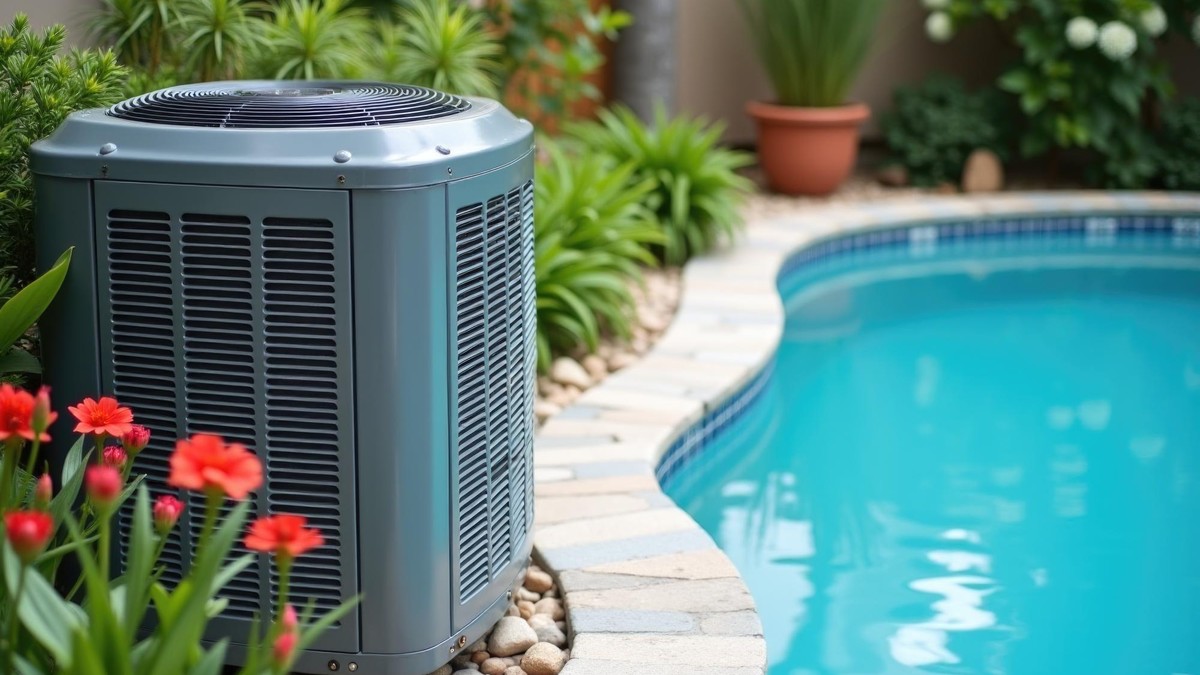
You turn on your pool heater, expecting comfortable water for an evening swim, but the temperature barely changes. Perhaps the heater starts normally and shuts off a few minutes later. These problems can be frustrating, especially when you rely on your pool throughout the year.
The most common signs your pool heater is failing include poor heating, fluctuating water temperatures, unusual noises, unexpected shutdowns, water leaks, error codes, and rising energy consumption. Some issues have simple explanations, while others indicate damaged components that need attention.
Recognizing these symptoms early can help you avoid unnecessary expenses and extended equipment downtime. Knowing when to schedule pool heater repair in Miami also helps protect your investment and keep your pool comfortable during cooler evenings and winter months.
Why Pool Heater Problems Deserve Early Attention
A pool heater depends on proper water circulation, functioning controls, and reliable heating components. If something stops working correctly, you may notice changes in water temperature or equipment behavior.
Miami homeowners face some additional maintenance considerations. Coastal properties may experience greater exposure to salt-laden air, which can contribute to corrosion on vulnerable metal components. Frequent pool use also means heating equipment may operate regularly throughout the year.
Meanwhile, heavy rainfall can affect pool water chemistry. If the water remains improperly balanced, certain heater components may experience corrosion or mineral buildup over time. These conditions do not automatically cause heater failures, but they make consistent equipment care worthwhile. Addressing common pool heater problems early can prevent avoidable downtime and help technicians correct small issues before they become more expensive.
7 Warning Signs Your Pool Heater Is Failing
1. Your Pool Heater Runs but Does Not Heat the Water
One of the clearest warning signs is a pool heater not heating the water even though the equipment appears to be running. You might notice that the displayed temperature barely changes or that the water remains cold after several hours of operation.
Possible explanations include an incorrect thermostat setting, restricted water circulation, a faulty temperature sensor, or an issue with the heating components. Before requesting service, confirm that the heater is set above the current water temperature and that the circulation pump is operating normally.
Remember that heating times vary depending on pool size, outdoor temperature, heater capacity, and whether you use a pool cover. If the heater previously warmed your pool efficiently but now struggles under similar conditions, something may need attention.
Professional pool heater repair in Miami can help determine whether the problem involves the heater itself or another part of your pool equipment.
2. Your Pool Water Temperature Changes Unexpectedly
Does your pool feel warm one day and unusually cold the next, even though you have not adjusted the settings?
Inconsistent pool water temperature can indicate a problem with the thermostat, temperature sensor, or heater controls.
For example, a faulty sensor may incorrectly report that the water has reached the selected temperature, causing the heater to stop operating too early.
However, not every temperature change means the equipment is malfunctioning. Miami occasionally experiences cooler nights and windy conditions that increase heat loss, particularly in uncovered pools. Heavy rainfall can also lower water temperatures.
If the fluctuations continue during otherwise similar weather conditions, record the displayed temperatures and contact a technician. Checking the actual water temperature against the heater’s reading can help determine whether the controls are working correctly.
3. Your Pool Heater Starts Making Unusual Noises
Pool heaters normally make some noise while operating. You may hear a fan, compressor, or burner depending on the type of system installed.
However, a pool heater making strange noises should not be ignored.
Pay particular attention to:
- Loud banging or knocking during operation.
- Grinding or scraping sounds.
- Persistent rattling or unusual vibration.
- Repeated clicking without successful heating.
These noises may point to loose components, mechanical wear, ignition problems, or restricted water flow.
For example, banging in certain gas heaters can sometimes result from water becoming excessively hot inside the heat exchanger because circulation is insufficient.
Grinding sounds may indicate a problem with a moving component, such as a fan motor. Avoid opening the equipment or attempting internal adjustments to investigate. If the noise is new, persistent, or unusually loud, switch off the heater and arrange an inspection. Addressing mechanical issues promptly may help prevent additional component damage.
4. Your Pool Heater Keeps Shutting Off Before Reaching the Set Temperature
A heater that turns off occasionally is not necessarily defective. Most systems automatically cycle to maintain the selected temperature.
The concern arises when the pool heater keeps shutting off before the water reaches that setting.
This behavior may be related to insufficient water flow, overheating protection, ignition failures, or electrical control problems. A dirty pool filter, for example, can restrict circulation enough to trigger a heater’s protective shutdown. In this situation, the circulation problem needs attention even if the heater itself is functioning correctly.
Modern heaters also contain safety controls designed to stop operation when abnormal conditions are detected. Repeatedly restarting the equipment without understanding the reason can make troubleshooting more difficult and may expose the system to additional risk.
If shutdowns continue after basic operating conditions have been checked, pool heater repair in Miami can help restore reliable operation.
5. You Notice Water Leaking Around Your Pool Heater
Finding a puddle near your pool equipment can be concerning, but it is important to determine where the water is coming from. A pool heater leaking water may have damaged seals, loose plumbing connections, or an internal component problem. Watch for persistent dripping, corrosion around fittings, or water collected beneath the heater.
However, condensation should not be mistaken for a leak. Heat pumps can release condensation during normal operation, particularly in Miami’s humid conditions. This moisture may form puddles near the equipment even when the system is working properly.
A technician can determine whether the water is expected to condensation or an actual leak. Persistent leaks deserve attention because moisture reaching electrical components can create hazards, while damaged heat exchangers may require more extensive repairs. If water is reaching electrical equipment, turn off the system only when it is safe to do so and contact a qualified professional.
6. Your Heater Displays Error Codes Repeatedly
Digital pool heaters use error messages to alert homeowners when the system detects unusual operating conditions. Pool heater error codes can indicate problems involving water flow, temperature sensors, ignition components, or other system controls.
The meaning of each code depends on the heater’s manufacturer and model. If an error appears, write the exact message or code before attempting any basic checks recommended in the owner’s manual.
Avoid repeatedly clearing warning messages to keep the equipment running.
For example, a low-flow code might indicate a dirty filter rather than a failed heater. Replacing heater components without checking circulation could leave the original problem unresolved. Technicians providing pool heater repair in Miami can use diagnostic readings and equipment inspections to determine what triggered the warning. This approach helps avoid replacing parts that are still functioning correctly.
7. Your Pool Takes Longer to Heat or Energy Bills Keep Rising
If your pool takes longer to warm up or your electricity or gas bills keep increasing, your heater may need attention.
A drop in efficiency can develop gradually, making it harder to recognize than a sudden shutdown. Possible causes include mineral buildup, reduced heat transfer, worn components, or improper system settings.
Before assuming the heater is failing, consider whether your heating habits have changed. Running the heater for longer periods, choosing a higher temperature, or heating an uncovered pool during cooler weather can increase energy consumption.
Compare your heater’s current performance with previous operating conditions. If heating times remain unusually long without a clear explanation, an equipment inspection can help determine whether maintenance or repairs could improve efficiency.
Why Professional Pool Heater Repair Matters
Pool heaters repair contain components that require specialized knowledge and equipment to inspect safely. Gas-powered systems involve burners, combustion controls, and gas connections. Heat pumps contain electrical and refrigeration components that should be handled by qualified technicians. Professional pool heater repair in Miami provides homeowners with a more reliable way to address these problems.
Finding the Actual Cause of the Problem
A heater that stops warming the pool does not always need a replacement heating component. The issue might involve a sensor, circulation restriction, or control setting. A proper diagnosis helps avoid unnecessary part replacements and focuses the repair on the actual fault.
Protecting Equipment and Safety
Some heater problems are inconvenient, while others require immediate attention. A suspected gas leak, burning smell, smoke, or visibly damaged electrical components should never be treated as routine maintenance.
If you smell gas, leave the area immediately, avoid operating electrical switches or creating ignition sources, and contact your gas utility or emergency services from a safe location. Do not attempt to restart the heater until the appropriate professionals have confirmed that it is safe.
Getting Clear Repair Recommendations
An experienced technician can explain what failed, whether parts are available, and which repair options make sense for your equipment. This information helps homeowners make informed decisions without guessing which components need replacement.
What Can You Check Before Calling a Technician?
Basic pool heater troubleshooting can help you identify simple issues and provide useful details when scheduling service.
You can safely review a few things without opening the equipment:
- Check the temperature setting. Make sure the selected temperature is higher than the current water temperature.
- Confirm normal water circulation. Check that the pump is operating and that water is moving through the pool returns.
- Review the filter condition. A dirty filter may restrict flow and affect heater operation.
- Look at the control panel. Record any error codes or unexpected messages.
- Observe the equipment area. Note visible leaks, unusual sounds, or blocked ventilation openings without touching internal components.
These checks are useful for identifying obvious operating issues, but they should not replace professional diagnostics. Never bypass safety switches, open gas connections, or attempt internal electrical repairs.
Should You Repair or Replace Your Pool Heater?
A malfunctioning heater does not always need replacement. Problems involving temperature sensors, control settings, and certain replaceable components may be economical to repair. Replacement may be worth considering when the system has extensive corrosion, major heat exchanger damage, repeated expensive failures, or limited replacement-part availability.
The best decision depends on the heater’s age, overall condition, repair history, and the cost of restoring dependable operation. A technician can compare the available options and explain whether repairing the current system provides reasonable long-term value.
For homeowners considering pool heater repair services in Miami, an accurate diagnosis is the best starting point before investing in a new heater.
Keeping Your Pool Heater Reliable in Miami
Regular maintenance can help reduce avoidable heater problems, particularly for pools used throughout the year. Maintaining proper water chemistry helps protect components from corrosion and mineral deposits. Clean filters and adequate circulation also support efficient heating.
For coastal homeowners, checking exposed equipment for developing corrosion can be especially useful. A pool cover can help limit heat loss during cooler evenings, reducing the amount of time the heater needs to operate.
Pool Wizards has served Miami since 1984 and provides heater-related services including temperature sensor repairs, error code troubleshooting, heat exchanger repairs, installations, and replacements. The company is licensed and insured and lists certified installer status for Jandy, Pentair, and Hayward products.
Its local team serves homeowners across Miami, Miami Beach, North Miami, Aventura, and surrounding communities. Having access to technicians familiar with pool equipment and local operating conditions can make diagnosing and resolving heater problems more straightforward.
Conclusion
Pool heater problems often begin with small changes in temperature, sound, or operating behavior. Recognizing these warning signs early gives you an opportunity to address issues before they disrupt your swimming plans.
Whether your heater is shutting off, leaking, or struggling to warm the water, timely pool heater repair in Miami can help restore comfortable temperatures and support dependable equipment operation.
Get your pool heater working properly again. Contact Pool Wizards at (786) 772-3151 to discuss your heating problem.
Request a free quote and get practical repair recommendations from an experienced Miami pool service team.
FAQs
How do I know if my pool heater needs professional repair?
If your heater struggles to warm the water, makes unusual noises, shuts off unexpectedly, leaks, or displays recurring error codes, it may need repair. Persistent symptoms should be evaluated by a qualified technician.
Why does my pool heater turn on but produce no heat?
Possible causes include incorrect settings, restricted circulation, faulty sensors, or problems with internal heating components. Checking the thermostat and pump operation can help rule out simple issues.
How much does pool heater repair in Miami cost?
Costs depend on the heater type, damaged components, labor requirements, and parts availability. Minor component repairs are generally less involved than major heat exchanger work. A diagnosis is needed for an accurate estimate.
Can a dirty filter cause my pool heater to stop working?
Yes. A clogged filter can reduce water flow and cause certain heaters to shut down automatically. Cleaning the filter according to manufacturer instructions may resolve flow-related issues.
Is water dripping from a pool heat pump normal?
Some dripping is normal because heat pumps can produce condensation during operation. Persistent water leaks, visible damage, or moisture near electrical components should be inspected.
How often should a pool heater be serviced in Miami?
An annual professional inspection is a useful starting point for many residential heaters. Equipment used frequently or exposed to demanding conditions may require additional maintenance based on manufacturer recommendations.
When should I replace my pool heater instead of repairing it?
Replacement may be more practical when a heater has extensive corrosion, repeated major failures, unavailable parts, or repair costs approaching the price of a new system. A technician can assess which option makes financial sense.