
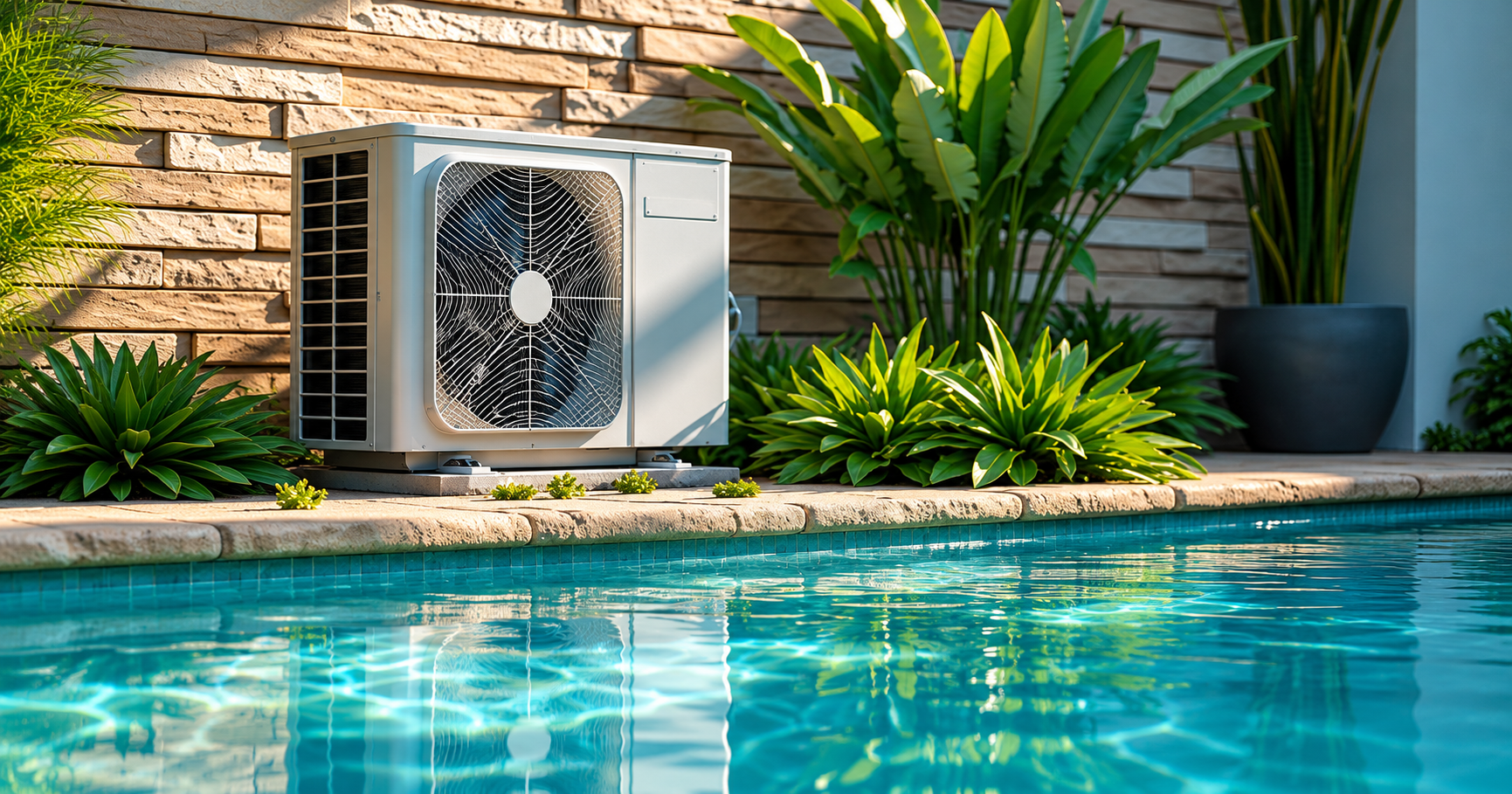
If your pool takes longer than usual to heat, keeps losing temperature, or the heater shuts down repeatedly, the issue should not be ignored. These symptoms may point to a sensor, circulation, control, or internal heater problem. Even in Miami, where warm weather is common for much of the year, pool heaters still matter during cooler mornings, evenings, winter periods, and whenever consistent water temperature is important.
For homeowners and property managers needing pool heater repair in Miami, early diagnosis can help determine whether the problem involves the heater itself or another part of the pool system. Pool Wizards provides heater troubleshooting, repairs, replacements, and installation services throughout the Miami area.
7 Signs Your Pool Heater May Need Attention
Common signs of a pool heater problem include slow heating, failure to reach the selected temperature, repeated cycling, inaccurate temperature readings, error codes, unusual noises, and a heater that will not start.
Watch for these seven warning signs:
- The pool does not reach the selected temperature
- Water heats much more slowly than usual
- The heater turns on and off repeatedly
- Temperature readings appear inaccurate
- An error code appears on the heater
- The heater makes unusual noises or produces unusual odors
- The heater does not start at all
A pool heating problem does not always identify the exact failed part. The issue may involve water flow, a temperature sensor, heater controls, the heat exchanger, or another component in the circulation system. If the same symptom keeps returning, professional diagnosis is usually more useful than repeatedly resetting the unit.
Why Is My Pool Heater Running but Not Heating Properly?
A pool heater may run without heating properly because of restricted water flow, a faulty temperature sensor, control problems, heat exchanger issues, or another equipment fault. Several different problems can create similar symptoms, so the cause should be identified before parts are replaced.
Water Flow Problems
Adequate circulation is essential for heater operation. If water flow is restricted by a dirty filter, weak pump, plumbing restriction, or another circulation problem, the heater may shut down or fail to transfer heat effectively. Low flow can also trigger safety controls designed to prevent the heater from operating under unsuitable conditions. If circulation appears weak, pool pump repair or pool filter cleaning and repairs may need to be considered alongside the heater.
Temperature Sensor Problems
The temperature sensor helps the heater determine the current water temperature and when heating should start or stop.
A faulty sensor can lead to:
- Incorrect temperature readings
- Premature shutdown
- Water that never reaches the selected temperature
- Heating that continues longer than expected
If the displayed temperature does not match the actual pool temperature, the sensor may need inspection.
Error Codes and Control Problems
Modern pool heaters often display error codes when the system detects a fault. An error code can help narrow down the issue, but clearing or resetting the code does not fix the cause. Professional pool heater service can help determine whether the problem involves controls, sensors, circulation, or another internal component.
Heat Exchanger Problems
The heat exchanger transfers heat from the heater into the pool water. If it is damaged or cannot transfer heat properly, the heater may run while the water remains colder than expected.
Why You Should Not Ignore a Pool Heating Problem
A heater issue may start as an inconvenience, but repeated temperature problems often indicate that something in the system is not working correctly.
Your Pool Becomes Less Comfortable to Use
Miami may be warm overall, but pool water can still feel uncomfortable during:
- Cooler winter days
- Early mornings
- Evenings
- Periods of lower overnight temperatures
A heater that cannot maintain the desired temperature can limit when the pool feels comfortable to use.
A Small Heater Problem Can Become a Larger Repair
A sensor, control, connection, or internal component problem may worsen if the heater continues operating with the same fault. Timely Miami pool heater repair can help identify whether the issue can be corrected before the system becomes less reliable.
Poor Heating Can Increase Energy Use
A heater that runs longer than expected without reaching the selected temperature may use more energy than normal.
The Real Problem May Be Elsewhere in the Pool System
Not every heater symptom starts inside the heater. Restricted filtration, pump problems, plumbing issues, or automation settings can interfere with heater operation. That is why heater troubleshooting should consider the entire circulation system rather than treating the heater as an isolated component.
Does Your Pool Heater Need Repair or Replacement?
A drop in heating performance does not automatically mean the heater must be replaced. The correct decision depends on the failed component, overall condition, repair history, and whether the unit can still operate reliably.
Situation | Possible Next Step |
Temperature sensor is faulty | Sensor repair or replacement |
Error code keeps appearing | Diagnostic troubleshooting |
Heat exchanger is damaged | Repair or heater evaluation |
Heater repeatedly fails | Repair versus replacement assessment |
Existing heater is no longer suitable | Heater replacement |
Pool currently has no heating system | New heater installation |
Pool Wizards provides heater replacements, new installations, temperature sensor repairs, error-code troubleshooting, and heat exchanger repairs. Replacement is not automatically necessary when heating performance drops. A professional inspection can help determine whether repairing the current system or replacing it is the more practical choice.
What Does a Professional Pool Heater Inspection Include?
A professional inspection should evaluate more than the thermostat setting.
A technician may check:
- Current water temperature
- Temperature setting
- Temperature sensor response
- Heater error codes
- Water flow through the system
- Heat exchanger condition
- Control and automation settings
- Visible leaks
- Electrical or operating faults
- Whether repair or replacement is more appropriate
Several heater problems can create similar symptoms, so this diagnostic process helps reduce guesswork. A pool inspection service may also be useful when the homeowner is unsure whether the heater, pump, filter, plumbing, or control system is responsible.
How Pool Circulation Affects Heater Performance
A heater depends on the rest of the circulation system to work correctly.
Water generally moves through the system in this order:
Pump → Filter → Heater → Pool Returns
If one part is restricted or malfunctioning, heater performance may suffer. A weak pump may not move enough water through the heater. A dirty filter can restrict circulation. Plumbing problems can reduce flow, while incorrect automation settings may affect when the heater starts or stops.
For broader pool equipment repair in Miami, the heater may need to be evaluated together with the pump, filter, plumbing, and automation system. If circulation problems continue, pool plumbing repairs or automation system repairs may be appropriate depending on what the inspection finds.
Why Pool Heater Problems Still Matter in Miami’s Climate
Miami does not have a traditional cold-weather pool season, but temperature control still matters. Miami pools may operate throughout the year, so heater problems can affect comfort, guest expectations, and daily pool use even without a long winter shutdown.
Cooler Winter Periods
South Florida still experiences cooler periods when pool water can drop below a comfortable temperature.
Early Morning and Evening Swimming
Air temperatures may be mild while pool water remains cooler, especially before sunrise or after sunset.
Year-Round Residential Use
Homeowners who use their pools throughout the year may rely on heating to maintain more consistent comfort.
Commercial Pool Expectations
Hotels, condominiums, apartment communities, and other properties may need predictable water temperatures for residents and guests. In those settings, a malfunctioning pool heater can become an operational concern as well as a comfort issue.
6 Things to Check When Your Pool Heater Stops Working
A few basic external checks can help identify an obvious problem before professional service is scheduled.
- Confirm the Temperature Setting
Make sure the selected temperature has not been changed accidentally.
- Check Whether the Heater Has Power
Confirm that the heater appears to be receiving power.
- Record Any Error Code
If a code appears on the display, write it down rather than repeatedly clearing it.
- Observe Pool Circulation
Look at the return jets and note whether flow seems weaker than normal.
- Avoid Repeated Resets
If the heater repeatedly shuts down, do not continue restarting it without understanding the cause.
- Schedule Professional Diagnosis
If the problem continues after basic checks, professional pool heater repair in Miami can help determine whether the fault is inside the heater or elsewhere in the system. Do not open or attempt to repair gas, electrical, combustion, or internal heater components unless you are qualified to do so.
When Should You Call for Pool Heater Repair in Miami?
Professional service is appropriate when:
- The heater does not start
- Pool water never reaches the selected temperature
- Heating takes much longer than usual
- The heater cycles repeatedly
- Error codes keep returning
- Temperature readings are inconsistent
- The heater leaks
- The system requires frequent resets
- Heating performance suddenly declines
- You cannot tell whether the heater or another pool component is responsible
These symptoms indicate that the system needs further troubleshooting rather than repeated resets or adjustments.
Pool Still Not Heating Properly?
Slow heating, repeated shutdowns, error codes, inaccurate temperature readings, and failure to reach the selected temperature are all signs that the system should be checked. The issue may involve the heater itself or another part of the circulation system, including the pump, filter, plumbing, or controls.
If your pool is heating slowly, shutting down repeatedly, showing error codes, or failing to reach the selected temperature, Pool Wizards can inspect the heater and circulation system to identify the cause and determine whether repair, component replacement, or a new heater is the right next step. Request Pool Heater Repair to restore reliable temperature control and get your pool back to comfortable operation.
FAQs
Why is my pool heater running but the water is not getting warm?
Possible causes include restricted water flow, a faulty temperature sensor, heat exchanger problems, control faults, or another internal heater issue. An inspection can identify which component is responsible.
Why does my pool heater keep turning on and off?
Repeated cycling can be caused by low water flow, faulty sensor readings, control problems, or another equipment fault. Persistent cycling should be diagnosed rather than repeatedly reset.
Why does my pool heater shut off before reaching the set temperature?
The heater may be responding to a faulty sensor, inadequate circulation, control issue, or another operating condition that triggers a shutdown. Professional troubleshooting can help identify the reason.
Can low water flow stop a pool heater from working?
Yes. Pool heaters depend on adequate circulation. A dirty filter, pump problem, plumbing restriction, or other flow issue can interfere with heater operation and may cause the system to shut down.
Can a dirty pool filter affect my pool heater?
Yes. A dirty filter can restrict water movement through the circulation system. Reduced flow can affect heater performance or prevent the unit from operating correctly.
Should I repair or replace my pool heater?
The answer depends on the heater’s age, overall condition, failed component, repair history, efficiency, and cost of restoring reliable operation. A professional evaluation can help determine which option makes more sense.
Do pools in Miami really need heaters?
Many Miami pool owners use heaters during cooler weather, mornings, evenings, or whenever they want more consistent pool temperatures throughout the year.