
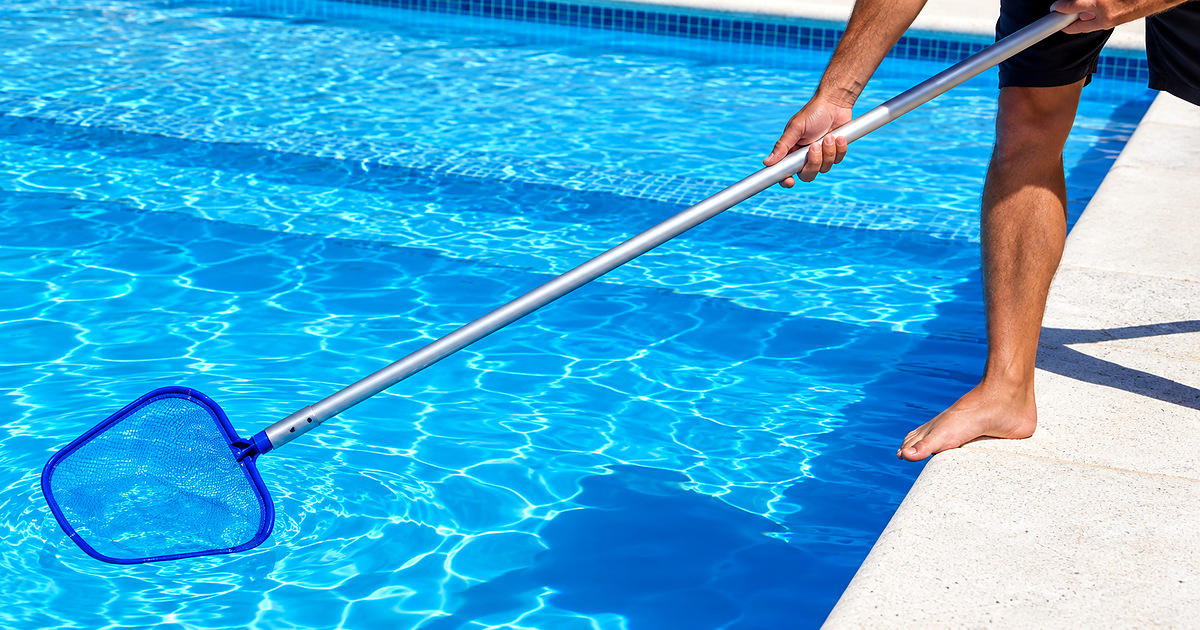
Owning a swimming pool in South Florida is a defining feature of the region’s luxury residential and commercial properties. A well-maintained pool not only enhances your outdoor living space but can also add significant value to your home or commercial investment. However, maintaining a pool is far more complex than routine cleaning. It is a combination of structural components, mechanical systems, and carefully balanced water chemistry that requires professional management.
South Florida’s tropical climate creates unique challenges for pool owners. Intense UV exposure, high humidity, heavy rainfall, and frequent weather changes can quickly affect water quality, equipment performance, and overall pool condition. Without proper maintenance, these environmental factors can contribute to algae growth, chemical imbalances, surface damage, and costly repairs.
The local pool service market also presents challenges for property owners. While many providers operate throughout South Florida, not every company follows professional standards, carries proper credentials, or understands regional pool requirements. Choosing an inexperienced or unreliable provider can increase the risk of equipment damage, recurring water problems, black algae growth, and potential warranty issues.
Protecting your pool investment requires a careful evaluation process. This guide provides a practical roadmap for selecting a qualified provider, understanding important maintenance standards, and avoiding common risks associated with improper pool care. When choosing a trusted pool service company Miami homeowners and property managers can rely on, focusing on experience, expertise, and proven service standards helps ensure your pool remains clean, safe, and properly maintained.
With decades of experience serving South Florida since 1984, Pool Wizards delivers professional maintenance solutions designed around the region’s unique climate conditions. From routine care to detailed evaluations through Pool Inspection Service, their team helps property owners protect their pools and maintain long-term performance.
Navigating Miami’s Complex Regulatory Environment
Florida enforces rigid regulatory structures over the commercial and residential pool service industry to insulate property owners from financial liabilities and physical hazards. The Florida Department of Business and Professional Regulation (DBPR) oversees professional trade classifications. Understanding these distinct legal designations prevents significant compliance violations.
Florida DBPR Trade Classifications
Florida statutes establish explicit operational boundaries between basic pool cleaning personnel and fully certified mechanical contractors:
- Registered or Certified Pool Service Technicians: These service providers are legally restricted to routine water chemistry balancing, surface skimming, tile scrubbing, wall brushing, and basic filter cartridge cleaning. They are prohibited by state law from modifying internal mechanical configurations, running high-voltage electrical lines, or altering structural components.
- Licensed Pool Contractors (CPC Designation): These state-certified professionals undergo rigorous examinations covering plumbing schematics, structural engineering, advanced mechanics, and safety laws. A licensed pool contractor is the only professional legally permitted to install structural upgrades, wire variable-speed pumps or gas heaters, change plumbing footprints, and pull required municipal building permits within Miami-Dade County.
The Essential Insurance Shield
Hiring an unverified business exposes a property owner to immense financial risk. Before granting access to your property, you must demand current certificates for two critical insurance policies:
- Commercial General Liability (CGL) Insurance: Miami has a notoriously high water table. If an uneducated worker drains a pool incorrectly without managing hydrostatic pressure, the entire concrete shell can lift out of the ground, shifting foundations and fracturing structural walls. A substantial liability policy ensures you are protected from catastrophic structural damage.
- Workers’ Compensation Insurance: If an uninsured laborer slips on a slick pool deck, suffers a severe chemical burn, or experiences a high-voltage electrical shock while working on your property, the financial liability transfers directly to you. A valid workers’ compensation policy removes this legal risk from the homeowner or commercial property manager.
Federal and State Safety Compliance
Vetting a professional pool service company Miami requires verifying total alignment with the Virginia Graeme Baker Pool and Spa Safety Act (VGB). This federal mandate requires certified anti-entrapment drain covers to eliminate life-threatening suction hazards. In Miami-Dade County, local public health and building inspectors regularly verify VGB compliance. Any adjustments, replacements, or certifications of these specialized safety grates must be executed exclusively by a licensed professional contractor to satisfy municipal safety standards.
Technical Capabilities and Full Lifecycle Care
A swimming pool is a complex structural and mechanical system that requires different levels of care throughout its lifespan. While basic cleaning may address surface-level maintenance, it does not always identify developing equipment problems or underlying water quality issues. Without proper diagnostics and technical expertise, minor system inefficiencies can eventually lead to costly repairs or premature equipment replacement.
A qualified pool service provider should have the knowledge and capabilities to manage every stage of a pool’s lifecycle, from routine maintenance to advanced troubleshooting and restoration.
During regular maintenance, proper water management is essential for protecting pool surfaces and equipment. This includes monitoring Total Dissolved Solids (TDS), maintaining appropriate stabilizer levels such as Cyanuric Acid to help protect chlorine from intense South Florida UV exposure, and applying targeted treatments to control algae growth.
As pool systems age, maintenance requirements become more advanced. Professional providers should be capable of identifying issues through detailed diagnostics, including leak detection, equipment evaluations, automation troubleshooting, and pump performance assessments. Addressing these concerns early can help reduce water loss, improve energy efficiency, and prevent unexpected equipment failures. When mechanical issues arise, experienced pool repair services can help restore system performance and extend the life of critical pool components.
Over time, pools may also require specialized restoration services to address surface damage, stubborn stains, and accumulated buildup. Treatments such as acid washing, stain removal, and professional cleaning techniques can help restore the appearance and functionality of aging pools. A professional Acid Wash Service can be an effective solution for removing deep discoloration and refreshing worn pool surfaces when standard maintenance is no longer sufficient.
By choosing a provider with full lifecycle expertise, property owners can ensure their pool receives the right level of care at every stage, helping maintain performance, appearance, and long-term value.
The Subcontractor Network Reality
Many full-service pool operations utilize third-party sub-crews for heavy construction interventions, such as complete aggregate replastering, structural shotcrete repairs, or premium tile renovations. If a company leverages external workers, you must ask targeted vetting questions before work begins:
- “Are your secondary subcontractors fully covered under your primary Commercial General Liability insurance policy?”
- “Do your structural crews hold independent, active DBPR trade licenses for heavy mechanical installations?”
Chemistry Management and Mechanical Integrity
Water chemistry directly impacts the lifespan of your mechanical hardware. For example, when a pool technician fails to monitor calcium hardness or allows pH levels to drop into a highly acidic state, the aggressive water actively leaches minerals directly out of your interior plaster. This chemical imbalance also corrodes the delicate copper heat exchangers inside expensive pool heaters, causing total system failure. Partnering with a dedicated pool repair services company in Miami ensures your water remains balanced, protecting your expensive mechanical equipment from chemical corrosion.
Operational Transparency and Accountability
The distinction between a top-tier service corporation and an unorganized local operation is found in their tracking systems. Elite operators replace verbal assurances with clear, electronic logs to provide absolute confirmation of all services rendered.
To bridge this operational gap, a modern pool cleaning company should utilize digital logging software. Experienced teams like Pool Wizards utilize cloud-based monitoring to log exact chemical metrics, track equipment baseline parameters, and document completed checklists immediately after every site visit.
The Strategic Value of Detailed Records
- Manufacturer Warranty Protection: Major equipment brands like Pentair, Jandy, and Hayward enforce strict warranty standards. If a major variable-speed pump, salt-chlorinator cell, or automated valve assembly fails prematurely, these manufacturers often demand historical, professional water chemistry logs before approving parts-and-labor coverage.
- Commercial Department of Health Compliance: For commercial properties, multi-family housing complexes, and hotels throughout Miami, missing or inaccurate pool records can result in immediate fines or mandatory facility closures during unannounced local Department of Health inspections.
- Predictable Billing Protocols: Professional companies build long-term trust by offering transparent billing structures, detailed repair estimates, and pre-authorized spending caps that prevent unexpected invoices.
Cost versus Long-Term Asset Risk Evaluation
When evaluating a pool service company Miami homeowners must look past artificially low price tags. Finding an operator offering weekly service for $75 to $90 per month might seem like a bargain, but a quick look at the underlying business numbers reveals the hidden risks. After calculating fuel costs, commercial fleet insurance, worker wages, licensing fees, and industrial-grade water chemicals, an under-market price structure requires a company to cut major operational corners to remain profitable.
How Low-Cost Operators Cut Corners
- Chemical Dilution: Rushed businesses often skip essential water stabilizers, specialized algaecides, and cell extenders, leaving your pool highly vulnerable to rapid green or black algae outbreaks.
- Accelerated Site Visits: Unlicensed individuals often rush through stops in under ten minutes. This frantic pace leaves no time to properly vacuum debris, brush down tile lines, or check equipment pads for early warning signs like leaking pump shaft seals or worn motor bearings.
- Transferred Legal Liability: An under-priced, unlicensed operator rarely carries legitimate commercial insurance. If a major issue occurs, all legal and financial responsibility transfers directly to your personal homeowner insurance policy. Investing in the best pool service Miami has to offer removes these operational liabilities, keeping your pool clean, legally compliant, and perfectly preserved.
Conclusion
Choosing the right pool service provider in South Florida is a critical property management decision. It is an active investment in protecting your family’s safety, preserving valuable mechanical equipment, and defending your home’s equity. To safeguard your property, run license numbers through the official DBPR database, demand current certificates of insurance, and prioritize full-service lifecycle capabilities over the cheapest monthly quote.
If you are ready to remove the stress of backyard maintenance, visit our Pool Wizards Contact Page to connect with an expert technician. Contact Pool Wizards today to schedule reliable pool maintenance backed by over 40 years of South Florida experience.
FAQs
How can I verify if a Miami pool company is legally licensed?
To check a company’s credentials, request their state license number and input it directly into the public portal of the Florida Department of Business and Professional Regulation (DBPR). For any mechanical repairs, automation installations, or plumbing modifications, verify that the business holds an active Certified Pool Contractor (CPC) designation.
Why does my Miami pool require weekly service instead of bi-weekly maintenance?
The intense South Florida sun, high ambient humidity, heavy tropical rainstorms, and organic debris rapidly deplete active chlorine sanitizers and alter fine pH balances. Weekly testing and physical brushing are essential to maintain a stable sanitation baseline and stop aggressive black or green algae blooms before they start.
Does using an unlicensed technician for equipment installations void my manufacturer warranty?
Yes. Leading pool equipment brands, including Pentair, Hayward, and Jandy, explicitly state in their factory warranty policies that advanced components like variable-speed pumps, automated control systems, and gas heaters must be installed by a licensed pool industry professional to qualify for replacement coverage.
What is a green pool rescue, and how long does it take to complete?
A green pool rescue is a heavy-duty chemical and mechanical process used to clear severe algae overgrowth. The treatment involves shock chlorination, specialized algaecides, flocculants, and continuous filtration. Depending on the severity of the algae bloom, a professional technician can typically restore the water to crystal-clear safety within two to four days. You can browse our dedicated guide and request a free quote through our online service portal to schedule an immediate inspection.