
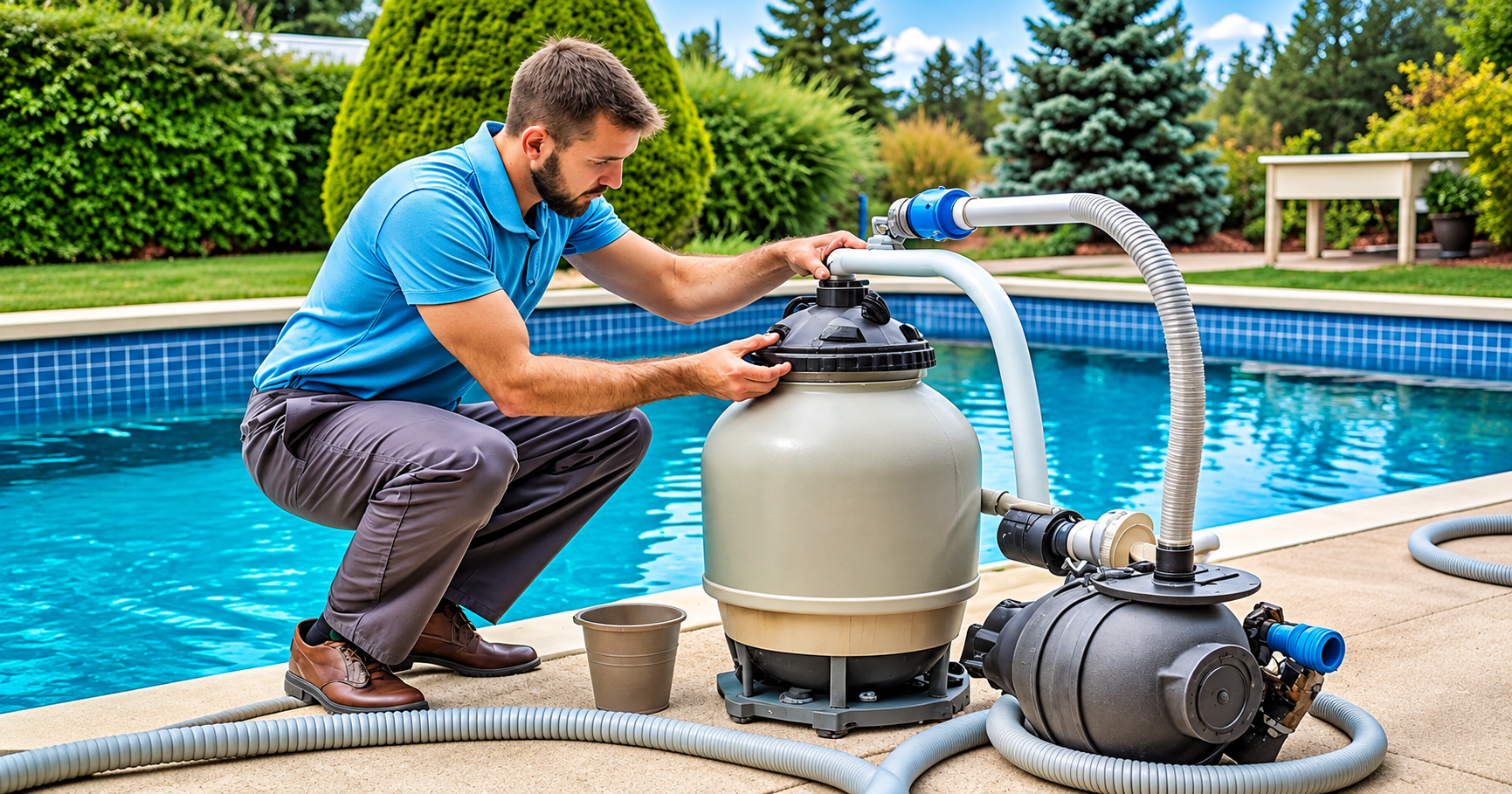
A pool pump moves water through the filtration system, distributes chemicals, and helps prevent stagnant areas where algae can develop. Early pump problems may seem minor, but delays can lead to cloudy water, higher energy costs, or damage to connected equipment.
South Florida pools often run year-round, so heat, storms, debris, and frequent use place steady demands on circulation equipment. If you notice changes in sound, flow, pressure, or reliability, scheduling pool pump repair Miami service promptly can help prevent a larger failure. Pool Wizards helps Miami-area homeowners determine whether repair or replacement is the better option.
Why Your Pool Pump Matters to Overall Pool Health
The pump draws water through the filter and returns treated water to the pool. This removes debris, supports chemical distribution, and helps maintain healthy water. Heaters, salt systems, cleaners, and automation components may also rely on adequate flow. A weak pump can reduce filtration and contribute to broader pool equipment repair needs.
8 Signs Your Pool Pump Needs Professional Attention
1. The Pool Pump Will Not Start
A pump that will not start may have a failed capacitor, motor issue, damaged wiring, electrical fault, or overheating problem. First, confirm that the breaker has not tripped and the pool controls are set correctly. If the pump remains unresponsive, starts intermittently, or repeatedly trips the breaker, avoid forcing repeated restarts. Homeowners seeking pool pump repair Miami assistance should arrange professional testing when the unit does not power on normally.
2. The Pump Makes Unusual or Excessive Noise
Grinding, screeching, rattling, whining, or loud humming may indicate worn bearings, debris, cavitation, loose components, or motor trouble. Humming can mean the motor receives power but cannot start correctly, while grinding may signal bearing wear. Early pool motor repair Miami service can keep a smaller problem from becoming complete motor failure. New or worsening sounds deserve attention.
3. Water Flow or Circulation Has Become Weak
Weak return jets, poor surface skimming, or slow circulation can indicate a system problem. Common causes include clogged baskets, a dirty filter, blocked plumbing, an obstructed impeller, suction-side air leaks, or declining pump performance. Start by emptying the skimmer and pump baskets and checking the filter. If flow remains weak, a professional pool pump repair Miami inspection can determine whether the restriction is inside the pump, plumbing, filter, or another part of the circulation system. Poor circulation should be corrected quickly because it can contribute to cloudy water, uneven chemical distribution, and algae growth.
4. The Pump Keeps Losing Prime
Priming means filling the pump and suction line with enough water to establish steady circulation. A pump that repeatedly loses prime may show air in the pump basket, bubbles at the return jets, or difficulty maintaining flow. Possible causes include low water level, damaged O-rings, loose fittings, suction-side leaks, or blockages. Running a pump without enough water can overheat seals and internal parts. Repeated loss of prime is reason to schedule pool pump service instead of continually restarting the equipment.
5. Water Is Leaking Around the Pump
Leaks may develop around seals, O-rings, unions, fittings, plumbing connections, or the pump housing. A worn shaft seal can allow water to escape between the motor and pump body, while cracked components may create a larger leak. Even a small leak can worsen, introduce air, promote corrosion, or damage nearby equipment. A pool pump repair Miami technician can determine whether the solution involves replacing a seal, repairing a fitting, correcting plumbing, or replacing a damaged component.
6. The Pump Overheats or Shuts Off Unexpectedly
A pump that becomes unusually hot or repeatedly stops during operation may have restricted airflow, excessive load, electrical trouble, improper voltage, or worn motor components. South Florida heat can add strain, so keep leaves and stored objects away from the motor. If overheating continues, professional testing is recommended. Some motors shut down automatically when they become too hot, so repeated shutdown and restart cycles should not be treated as normal.
7. The Motor Runs but Water Is Not Moving
Hearing the motor does not always mean the pump is circulating water. A blocked impeller, closed valve, suction restriction, air leak, empty pump basket, or loss of prime can stop effective flow even while the motor operates. Check the water level and make sure the skimmer and pump baskets are clear. If circulation does not return, shut the equipment off rather than allowing it to run dry. A pool pump repair Miami professional can inspect the impeller, valves, suction lines, seals, and internal components.
8. Energy Costs Rise While Pump Performance Declines
An aging pump may consume more electricity while delivering weaker circulation. Rising energy use is more concerning when paired with overheating, unusual noise, weak flow, or longer operating times. If repairs are becoming frequent, compare repair costs with the efficiency and expected lifespan of a replacement.
What Causes Pool Pump Problems?
Normal wear can affect seals, bearings, capacitors, motors, and O-rings. Clogged baskets or filters make the pump work harder, while debris may obstruct the impeller. Low water levels, plumbing leaks, electrical faults, poor airflow, and dry running can also cause damage. Miami’s heat, rainfall, storm debris, and year-round pool use increase operating demands. Consistent cleaning, water balance, and equipment checks help reduce avoidable strain.
Pool Pump Repair vs. Replacement: Which Is Better?
Not every malfunction requires a new pump. Repair may be appropriate for worn seals, damaged O-rings, blocked impellers, capacitor problems, small plumbing faults, or other replaceable components, especially when the pump is relatively young and dependable. Replacement may offer better value when the pump has repeated breakdowns, severe motor damage, a cracked housing, major corrosion, poor energy efficiency, or limited parts availability. Age matters because investing heavily in an older unit may only postpone another failure.
A professional evaluation should compare repair cost, pump age, efficiency, condition, available parts, and expected remaining lifespan. For homeowners considering pool pump repair Miami options, this approach helps avoid premature replacement and repeated spending on equipment that is no longer economical.
Why Delaying Pool Pump Repairs Can Cost More
A failing pump can affect the entire pool. Reduced circulation may lead to poor filtration, cloudy water, algae growth, uneven chemical distribution, and higher chemical demand. If the motor keeps operating under excessive strain, it may eventually fail completely. Heaters and salt systems also depend on adequate water flow. Addressing a worn seal, blocked impeller, air leak, or airflow problem early is usually easier than dealing with complete circulation failure. Early inspection can identify the original cause before secondary problems develop.
When Should You Call a Pool Pump Professional?
Homeowners can handle basic tasks such as emptying baskets, maintaining the correct water level, checking visible debris, and keeping the equipment area clear. Persistent mechanical, electrical, or circulation problems need professional attention. Call a technician when the pump repeatedly loses prime, trips breakers, overheats, leaks continuously, makes unfamiliar noises, or fails to move water after basic maintenance. Internal pump and electrical work require appropriate expertise.
Pool Wizards provides pump diagnostics, repairs, replacements, installations, and related circulation-system services for Miami-area pools. Professional diagnosis helps identify the source of the problem instead of replacing parts based only on symptoms.
How Routine Maintenance Helps Prevent Pump Problems
Regular maintenance reduces unnecessary strain. Keep skimmer and pump baskets clean, maintain the proper pool water level, and service the filter as needed. Watch for persistent air inside the pump basket, reduced return-jet strength, small leaks, or new noises.
Knowing the pump’s normal sound, flow, and pressure makes changes easier to recognize. Periodic inspections can identify worn seals, plumbing restrictions, loose connections, or electrical concerns before circulation is interrupted.
What to Expect During a Professional Pool Pump Inspection
A technician typically begins by inspecting the pump, motor, plumbing, fittings, valves, and surrounding equipment. Water flow, pressure, priming, and signs of air or water leaks may be checked. The motor and electrical components can be tested, while the impeller, seals, and O-rings are inspected for wear. Based on the findings, the technician may recommend a repair, plumbing correction, motor work, or replacement. A thorough diagnosis should identify the cause and the solution that offers the best long-term value. Addressing the cause reduces the chance of the issue returning. If your pump is showing warning signs, Request pump repair before a small issue develops into a circulation problem.
Conclusion
Unusual noises, leaks, weak circulation, loss of prime, overheating, shutdowns, and rising energy use can all signal that your pool pump needs professional attention. Addressing these problems early can help protect your filtration system, water quality, connected equipment, and the pump itself.
For homeowners looking for reliable pool pump repair in Miami, Pool Wizards provides professional diagnostics and repair solutions throughout the Miami area.
Need help with a pool pump problem? Contact Pool Wizards today to schedule a professional inspection and repair service.
FAQs
How do I know if my pool pump motor is going bad?
Common signs include grinding or screeching, overheating, intermittent starts, breaker trips, and reduced circulation. A technician can test the motor and determine whether it is causing the problem.
Why is my pool pump running but not circulating water?
Possible causes include a clogged basket, blocked impeller, low water level, air leak, closed valve, plumbing restriction, or loss of prime. Turn the pump off if it cannot establish proper flow.
Is it safe to run a noisy pool pump?
Persistent grinding, screeching, rattling, or loud humming should be inspected. These sounds can indicate worn bearings, debris, cavitation, loose components, or motor problems. Continued operation may increase damage.
Can a leaking pool pump be repaired?
Often, yes. Leaks caused by seals, O-rings, fittings, or plumbing connections may be repairable. A cracked housing or severely damaged component may require replacement.
How long does a pool pump usually last?
Pump lifespan varies according to usage, installation quality, maintenance, climate, motor type, and operating conditions. Repeated overheating, dry running, leaks, or restricted flow can shorten service life.
Should I repair or replace an older pool pump?
Repair may make sense for a minor fault in an otherwise reliable pump. Replacement may be better when failures are frequent, major components are damaged, parts are difficult to source, or efficiency is poor.
What happens if a pool pump stops working?
Without proper circulation, filtration declines and chemicals may not distribute evenly. Water can become cloudy, debris can accumulate, and algae can grow faster. Equipment that depends on adequate water flow may also stop functioning correctly.