
Buying a home with a pool can be exciting, especially in Miami, where outdoor living is possible throughout most of the year. However, a pool can conceal structural, mechanical, plumbing, electrical, and safety problems that are easy to miss during a standard property inspection. A professional pool inspection in Miami helps buyers understand the pool’s condition before closing, estimate likely repair costs, and decide whether further negotiations are necessary.
A general home inspector may look at the pool, but that review is often limited. Pool systems include pumps, filters, heaters, plumbing lines, automation, electrical components, finishes, and safety features that require focused evaluation. Pool Wizards helps local buyers examine these systems so they can make a better-informed purchasing decision.
Why Miami Buyers Need a Separate Pool Inspection
A dedicated inspection goes beyond checking whether the water looks clean. It determines how the pool operates, whether the equipment works correctly, and whether visible defects suggest deeper problems.
Miami pools face strong sunlight, heat, humidity, heavy rain, storm debris, and year-round operation. These conditions can accelerate algae growth, corrosion, surface wear, chemical imbalance, and equipment strain.
A pool inspection in Miami can reveal issues that affect the purchase price, repair budget, insurance planning, or immediate safety. It also helps buyers separate routine maintenance from costly defects.
What Does a Professional Pool Inspection Include?
A professional inspection usually reviews the pool shell, interior finish, tile, coping, deck, visible plumbing, circulation system, filter, heater, lights, automation, water condition, and safety features. The inspector also looks for signs of leaks, corrosion, neglected maintenance, and aging components.
A useful report should separate urgent defects from issues that can be monitored or budgeted for later. A detailed home pool inspection gives buyers practical information during the property inspection period.
Check the Pool Surface, Tile, and Interior Finish
The pool finish is one of the first areas buyers should examine because resurfacing can be expensive. Look for cracks, rough areas, widespread staining, scaling, etching, delamination, or exposed aggregate.
Minor marks may be cosmetic, but larger cracks or broad deterioration may indicate age, movement, poor maintenance, or water loss. Ask when the pool was last resurfaced and request available invoices or warranties. Loose tiles, missing grouts, and recurring waterline cracks should also be documented.
Inspect the Coping, Deck, and Drainage
Coping forms the edge between the pool shell and the deck. It should be secure, level, and free from loose pieces or large gaps. Damaged coping can create a trip hazard and allow water to penetrate areas around the pool.
Check the deck for uneven pavers, cracks, slippery surfaces, damaged drains, and standing water. Because Miami receives heavy rain, water should drain away from the home, equipment pad, and walking areas.
Look for Signs of a Pool Leak
Water loss is a major concern during a pool inspection in Miami. Some evaporation is normal, but frequent refilling or a rapidly dropping water level may point to a leak.
Warning signs include wet soil near the pool, cracks around skimmers or return fittings, air bubbles entering the pump, unexplained water bills, loose waterline tile, deck settlement, and moisture around the equipment pad.
A visual inspection may identify obvious leaks, but hidden plumbing or structural leaks can require pressure testing or specialized leak detection. Further evaluation is appropriate when the inspection reveals unexplained water loss.
Evaluate the Pump and Circulation System
The pump keeps water moving through the filtration and treatment systems. Without reliable circulation, the pool can develop algae, cloudiness, chemical imbalance, and equipment stress.
The pump should start, prime, and run without excessive noise, vibration, overheating, or leaking seals. Buyers should ask about their age and whether it is a single-speed or variable-speed model. Older pumps may raise energy costs or require near-term replacement.
Return jets should provide a steady flow. Weak circulation may indicate blocked lines, valve problems, filter restrictions, worn equipment, or air entering the plumbing.
Inspect the Pool Filter
Common pool filters include cartridge, sand, and diatomaceous earth systems. A swimming pool inspection should review the filter tank, clamps, pressure gauge, valves, seals, and visible connections.
Cracks, leaks, corrosion, damaged clamps, or unstable pressure can create operating concerns. Buyers should ask when the filter was last cleaned and when internal components were replaced.
Test the Heater, Salt System, and Water Features
If the property has a pool heater, it should be tested while the circulation system is operating. Confirm that it starts, responds to the controls, and produces warm water. Corrosion, leaks, ignition problems, damaged wiring, or error codes may indicate repair needs.
For a saltwater pool, inspect the salt cell and control panel for scale, warning lights, low output, and age-related wear. Salt cells require periodic replacement, so buyers should determine whether a new cell may be needed soon.
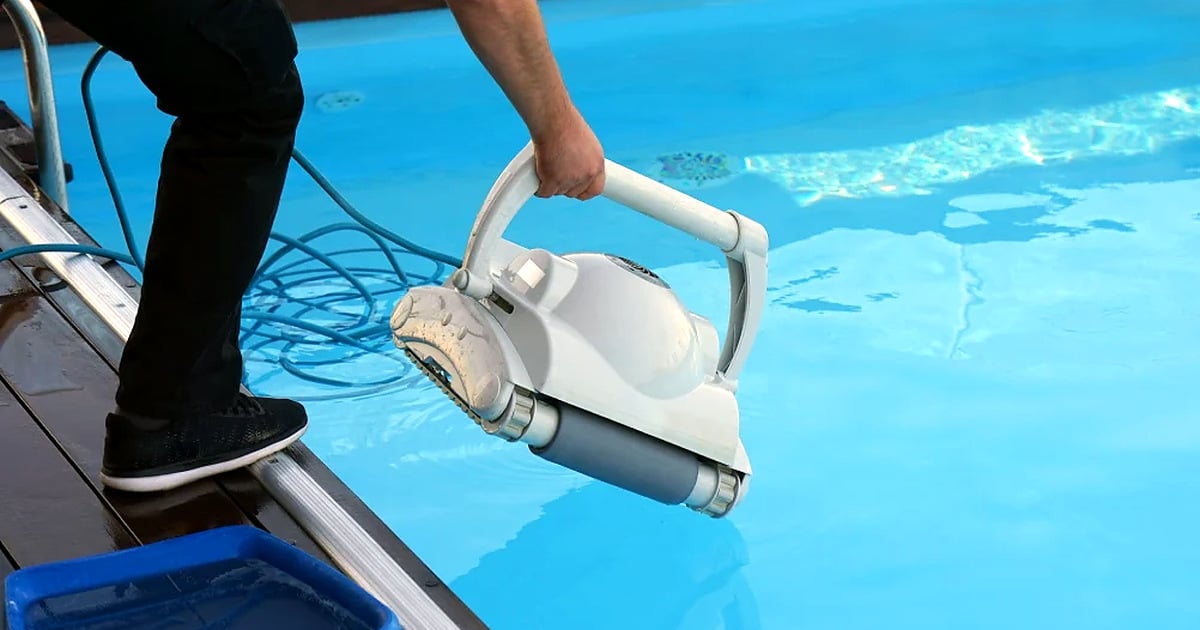
Test attached spas, fountains, automatic cleaners, booster pumps, and other water features because each adds plumbing, motors, valves, and controls.
Review Pool Automation and Controls
Modern systems may control pumps, lights, heaters, spa modes, and water features through a central panel or mobile app. During a pool inspection in Miami, each available function should be tested for proper response.
Look for error messages, damaged controls, communication problems, or equipment that ignores programmed schedules. Confirm that app access, passwords, manuals, and warranties will transfer. Older systems may also be difficult to repair or incompatible with newer equipment.
Check Electrical Components and Pool Lighting
Pool electrical systems require qualified evaluation. Buyers should not open panels, underwater fixtures, or junction boxes themselves.
The inspection should review visible wiring, timers, switches, breakers, controls, and ground-fault protection. Pool and spa lights should turn on without flickering or showing visible water inside the fixture.
Exposed wiring, corroded boxes, repeated breaker trips, and improvised repairs require further review by a qualified professional.
Assess the Water Condition
Clear water does not guarantee a healthy pool system. Equipment may be aging, circulation may be weak, or a hidden leak may still be present.
A professional pool inspection service in Miami may review pH, sanitizer level, total alkalinity, calcium hardness, stabilizer, and salt concentration when applicable. These readings can indicate whether the pool has been maintained consistently.
Green water, cloudiness, algae, scale, staining, or strong odors may indicate neglected maintenance, weak circulation, damaged equipment, heavy rain, or incorrect chemical treatment.
Inspect Pool Safety Features
Review gates, fences, barriers, ladders, handrails, steps, drain covers, alarms, and rescue equipment. Gates should close and latch correctly. Handrails and ladders should remain stable, while drain covers should be secure and undamaged.
Confirm that installed door alarms, pool alarms, and safety cover work. Buyers should verify applicable rules with the appropriate local authority.
Ask for Maintenance, Repair, and Permit Records
Service records reveal how the pool has been maintained and what expenses may be approaching. Request maintenance logs, equipment invoices, heater records, salt-cell history, leak reports, resurfacing documents, warranties, permits, and manuals.
Ask the seller:
- When was the pool built and last resurfaced?
- Has it ever leaked?
- Which components have been replaced?
- Does any equipment require frequent repairs?
- Who currently maintains the pool?
- Are warranties still active?
Pool Wizards can help buyers interpret visible conditions and identify areas that deserve closer technical review.
Buyers should verify permits for major electrical work, heaters, spas, structural changes, and equipment installations. Unpermitted work can complicate insurance, resale, or renovation.
Estimate Immediate and Future Pool Costs
Not every defect requires the same response. Separate urgent repairs from routine service and future upgrades.
Immediate concerns may include active leaks, unsafe electrical conditions, broken circulation equipment, damaged drain covers, or severe surface failure. Near-term costs may involve worn pump seals, an aging salt cell, filter replacement, deteriorating grout, heater repairs, or outdated controls.
Ongoing costs can include weekly cleaning, chemicals, electricity, water, filter service, equipment repairs, storm cleanup, and eventual resurfacing. A pool inspection in Miami helps buyers create a realistic ownership budget instead of judging the pool by appearance alone.
How the Inspection Report Can Support Negotiations
A clear report can help buyers request repairs, seek a seller’s credit, obtain specialist estimates, or discuss a price adjustment, depending on the purchase agreement.
The findings also prioritize work after closing. An aging pump may be a future budget item, while an active leak or electrical defect may need prompt correction. Buyers should review the report within contract deadlines.
When Should Miami Buyers Schedule the Inspection?
Schedule the inspection during the property’s formal inspection period. The pool should be filled, operating, and accessible so the inspector can evaluate circulation, filtration, heating, lights, controls, plumbing, and visible water flow.
Waiting until the final walkthrough leaves little time to investigate defects or obtain estimates. Scheduling a pool inspection in Miami soon after contract acceptance allows time for leak detection, electrical review, or equipment diagnostics when needed.
Miami Homebuyer Pool Inspection Checklist
Before closing, confirm that the evaluation covers:
- Pool shell, finish, tile, and grout
- Coping, deck, and drainage
- Water level and leak indicators
- Pump, motor, filter, and heater
- Salt system, plumbing, and valves
- Automation, lights, and visible electrical components
- Water chemistry
- Fences, gates, drains, ladders, and handrails
- Maintenance records, warranties, and permits
- Estimated immediate and future repair costs
Conclusion
A pool can add comfort, recreation, and value to a Miami home, but hidden defects can create substantial expenses after closing. Buyers should evaluate the structure, surface, equipment, plumbing, electrical systems, water conditioning, safety features, records, and expected ownership costs.
A professional pool inspection in Miami provides a clearer picture of the pool’s present condition and likely future needs. Pool Wizards can provide a focused evaluation that supports a more informed home purchase.
Book a pool inspection before finalizing the purchase of a home with a pool.
FAQs
Is a pool included in a standard home inspection?
Coverages vary. Some home inspectors provide a basic visual review, but they may not fully test the pump, filter, heater, plumbing, automation, lights, or water condition. A separate pool evaluation provides more detailed information.
How long does a pool inspection take?
Timing depends on the pool’s size, condition, equipment, attached spa, and water features. Complex systems with multiple pumps, heaters, or automation take longer.
Can an inspector detect every pool leak?
Not always. An inspection may identify visible leaks, water-loss indicators, or equipment leaks. Hidden underground plumbing or structural leaks may require pressure testing or specialized leak detection.
Should the pool be running during the inspection?
Yes, the pool should be full and operating so the inspector can evaluate the pump, filter, heater, return flow, controls, lights, and visible plumbing. A shut-down pool limits what can be tested.
What are the most expensive pool problems to find?
Major structural damage, underground leaks, resurfacing needs, failing heaters, unsafe electrical systems, outdated automation, and several aging equipment components can create significant costs.
Can buyers negotiate after receiving the inspection report?
Depending on the purchase contract, buyers may request repairs, seek a seller’s credit, renegotiate the price, or obtain specialist estimates. The report provides documentation to support those discussions.
How often should a pool be inspected after purchase?
Routine service should include equipment checks. Arrange for a detailed inspection after water loss, weak circulation, unusual sounds, warning lights, staining, cloudy water, or recurring equipment failures.