
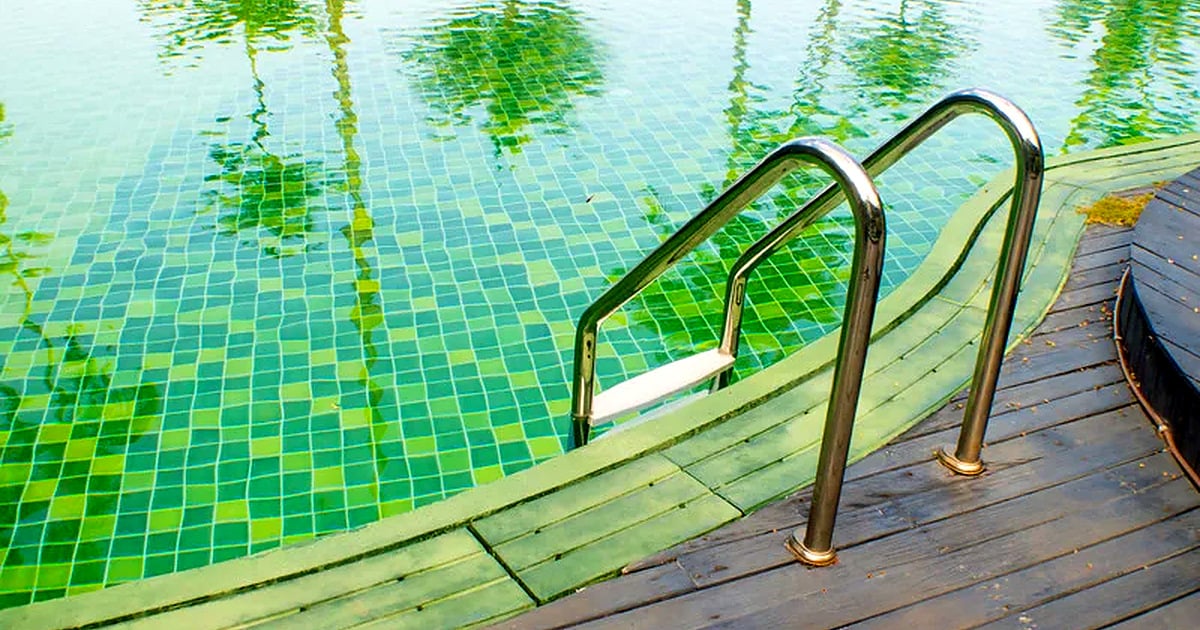
A clear pool can turn cloudy or green quickly. In Miami, warm water, intense sunlight, heavy rain, debris, and frequent use create ideal conditions for algae. Adding chemicals without testing may delay recovery or worsen the imbalance. Effective green pool cleanup in Miami begins with identifying the cause, checking circulation and filtration, and selecting the right treatment.
Pool Wizards helps local owners address both visible algae and the underlying conditions that allowed it to grow. A complete cleanup should restore clarity, rebalance the water, clean affected surfaces, and reduce the chance of another outbreak.
Why Does Pool Water Turn Green?
Algae is the most common cause of green pool water. Spores enter through wind, rain, swimmers, landscaping debris, pool tools, and toys. They may remain unnoticed until sanitizer levels fall or circulation weakens. Early growth can appear as a faint tint or slippery film. As it spreads, the water becomes cloudy and the floor may disappear from view.
Low or Ineffective Chlorine
Chlorine controls algae, but sunlight, debris, sunscreen, sweat, heavy use, and rain reduce its effectiveness. A pool may contain chlorine yet lack enough active sanitizer. High pH weakens chlorine, while excessive stabilizer slows its action. Professionals therefore test the water instead of relying on color alone.
Unbalanced Water Chemistry
Chlorine, pH, alkalinity, stabilizer, and calcium hardness work together. Adding shock without correcting the overall balance may waste chemicals while leaving the main problem unresolved.
Testing shows whether the pool needs sanitation, pH adjustment, filtration support, metal treatment, or several steps. This diagnostic approach makes green pool cleanup in Miami more effective than repeatedly adding products based on guesswork.
Poor Circulation or Filtration
Pool water must move through the pump, filter, plumbing, and returns to distribute sanitizer and remove contaminants. Weak circulation creates stagnant areas around steps, corners, ladders, benches, and water features.
Clogged baskets, blocked returns, closed valves, dirty filters, pump problems, or short filtration cycles can all contribute. Chemical treatment will not clear the water properly if the circulation system is not working.
Why Green Pools Are Common in Miami
South Florida gives algae a long growing season. Warm water supports rapid growth, strong sunlight reduces chlorine, and afternoon storms alter pH while washing debris into the pool. Frequent swimming adds sunscreen, body oils, sweat, and dirt.
Consistent pool cleaning in Miami is therefore about more than appearance. Routine service supports stable chemistry, adequate circulation, debris removal, and early equipment detection.
Are All Green Pools Caused by Algae?
No. Metals, suspended debris, and mechanical problems can create similar symptoms.
Metals in the Water
Copper and other metals can react with chlorine and create a green or blue-green tint. Metal discoloration may leave the water relatively clear, while algae often creates cloudiness or slippery surfaces. Treating metals as algae can worsen staining, so professional green pool cleanup in Miami should begin with testing.
Debris and Equipment Problems
Pollen, soil, leaves, and decomposing plant matter can change the pool’s appearance and consume sanitizer. A failed pump, clogged filter, blocked line, or closed valve can also leave water without adequate circulation.
In these cases, the underlying debris or mechanical problem must be corrected or the green water may return after treatment.
Is It Safe to Swim in a Green Pool?
Swimming in green water is generally not recommended. The color may indicate insufficient sanitation, bacterial contamination, poor visibility, or slippery surfaces.
When the bottom cannot be seen, it becomes harder to identify a swimmer in distress or notice objects below the surface. The pool should remain closed until the water is clear, chemical readings are safe, and the circulation system is operating normally.
Why Adding Chlorine Alone May Not Work
Chlorine is part of treatment, but the required amount depends on pool volume, algae severity, pH, stabilizer, temperature, and contamination. High pH reduces its performance, while poor circulation leaves dead algae suspended. Brushing is also necessary because algae clings to walls, floors, steps, and shaded areas.
A qualified green pool service combines chemistry correction with brushing, circulation, filtration, vacuuming, and follow-up testing.
How Professionals Evaluate a Green Pool
Technicians assess color, clarity, debris, surface condition, and visible growth. Testing commonly includes chlorine, pH, alkalinity, stabilizer, and calcium hardness. Metal testing may be appropriate when the water is green but relatively clear.
The equipment is also inspected. Technicians check pump operation, return flow, baskets, filter pressure, valves, plumbing, and signs of leaks or restrictions. This evaluation allows green pool cleanup in Miami to target the actual cause.
How Professionals Fix a Green Pool
1. Remove Leaves and Debris
Leaves, insects, and sediment are removed, while skimmer and pump baskets are emptied. This restores flow and prevents debris from consuming more chlorine.
2. Balance the Water
Technicians adjust pH and alkalinity when necessary. Proper balance allows sanitizer to work efficiently and helps protect the pool surface and equipment during treatment.
3. Apply the Correct Sanitizing Treatment
The sanitizer dose is calculated using pool size, test results, algae severity, and surface type. Severe cases may require multiple cycles. Too little treatment leaves algae behind, while excessive chemicals waste money and may affect pool materials.
4. Brush Every Affected Surface
Walls, floors, steps, corners, ladders, benches, and shaded areas are brushed to loosen algae and expose it to sanitizer. The brush should match the pool finish to prevent surface damage.
5. Run the Pump and Clean the Filter
Extended circulation distributes treatment and directs contaminants toward the filter. As algae dies, the filter may need repeated cleaning or backwashing. During a severe algae pool cleanup, a damaged or clogged filter may require repair.
6. Vacuum Settled Algae
Dead algae often settles on the floor as gray, tan, or green dust. Vacuuming removes this material and prevents it from recirculating. In some situations, technicians may vacuum to waste so heavy sediment bypasses the filter.
7. Retest the Water
After treatment, chlorine, pH, alkalinity, and stabilizer are checked again. The pool is not ready simply because the green color has disappeared. Water clarity, chemical stability, and equipment performance must all be confirmed.
Pool Wizards uses this full process to restore clear water while identifying conditions that could cause another outbreak.
How Long Does Cleanup Take?
A lightly affected pool may improve within one or two days. A dark pool with heavy debris, poor circulation, or equipment damage may require several cycles. The timeline depends on algae severity, chemistry, filter condition, debris, and neglect. Severe green pool cleanup in Miami may take longer in warm weather.
Even after the water turns blue, fine dead algae may require additional filtering and vacuuming.
When Is Draining or Pressure Washing Necessary?
Most green pools can be restored without complete draining. Testing, balancing, sanitation, brushing, filtration, and vacuuming are often sufficient.
Draining may be considered when stabilizer or dissolved solids are extremely high, the pool has been neglected, or the water cannot be corrected efficiently. Pressure washing may be appropriate for severe staining or embedded growth. Because improper draining can damage the pool, construction and groundwater conditions must be evaluated first.
Common Green Pool Cleanup Mistakes
Adding chemicals without testing can create the wrong dosage. Shocking without brushing leaves algae attached, while ignoring a clogged filter keeps dead algae suspended. Stopping when the color first improves may allow regrowth. Pool chemicals should never be mixed directly because incompatible products can cause dangerous reactions.
A professional green pool service reduces these risks by using measured treatment based on testing and equipment performance.
How to Prevent Green Water From Returning
Prevention depends on consistent sanitation, circulation, and cleaning. Chlorine should remain within the appropriate range, while pH and alkalinity should be tested regularly.
The pump must run long enough to circulate the water. Baskets should be emptied before they restrict flow, and filters should be cleaned as needed. Brush walls, steps, corners, and low-flow areas, and remove storm debris promptly.
Reliable pool service in Miami can also identify leaks, unusual equipment sounds, weak return flow, and changing chemistry before the water turns green. Extra monitoring is useful after storms, large gatherings, extreme heat, or periods when a property is unoccupied.
When to Call a Professional
Call a professional when the bottom is not visible, algae return after treatment, equipment is not working, the water turns green after chemicals are added, or the products already in the pool are unknown.
A technician can determine whether algae, metals, debris, chemistry, or equipment failure is responsible. This makes green pool cleanup in Miami safer and less likely to require repeated treatments.
To restore clear, properly balanced water, Schedule green pool cleanup with an experienced Miami pool care team.
Conclusion
Green water is usually caused by algae, but metals, debris, poor circulation, and equipment problems can create similar symptoms. Successful green pool cleanup in Miami requires testing, balancing, sanitizing, brushing, filtering, vacuuming, and checking the pool system.
Treating the cause is the best way to restore clarity and prevent repeat problems. Pool Wizards can help Miami-area homeowners return their pools to a clean, balanced, and inviting condition.
FAQs
What is the most common cause of green pool water?
Algae is the most common cause. It usually develops when chlorine is too low, circulation is weak, or water chemistry is unbalanced. Warm temperatures, sunlight, rain, and organic debris can accelerate growth.
Can a green pool be cleaned without draining it?
Yes. Most green pools can be restored through testing, balancing, sanitation, brushing, filtration, and vacuuming. Draining is generally reserved for severe chemistry problems, staining, or long-term neglect.
How quickly can professionals clear a green pool?
A light green pool may improve within one or two days. Severe cases can take several days and may require repeated brushing, filter cleaning, vacuuming, and chemical adjustment.
Why is the pool cloudy after the green color disappears?
Rain can dilute sanitizer, change pH, and introduce leaves, pollen, soil, and other contaminants. These conditions increase chlorine demand and allow algae to grow quickly.
Why does my pool get cloudy even with weekly service?
Dead algae and fine particles may remain suspended after treatment. The pump and filter need time to remove them, and the filter may require cleaning during the process.
Can too much chlorine turn pool water green?
Chlorine does not normally create algae-green water, but it can react with copper or other metals and produce a green tint. Testing helps distinguish metal discoloration from algae.
Is it safe to swim after treatment?
Swimming should resume only when the water is clear, the floor is visible, chemical readings are safe, and the circulation system is working correctly.
How can I prevent algae from returning?
Maintain stable sanitizer levels, balanced pH, adequate circulation, clean filters, and regular brushing schedule. Remove debris promptly and test the water after storms or heavy pool use.