
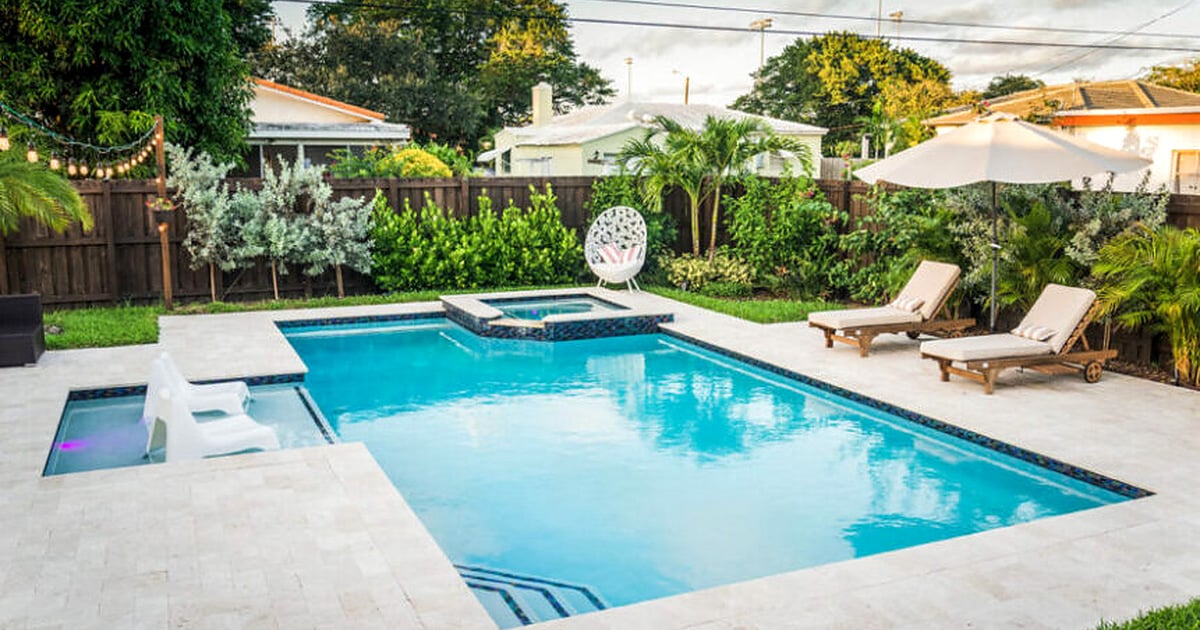
Owning a pool in Miami is convenient but keeping it clean and safe takes consistent care. Heat, humidity, rain, landscaping debris, sunscreen, and year-round use can change water quality quickly. A clear pool can become cloudy, unbalanced, or algae-prone when service is delayed. That is why homeowners need to understand what should be included in Weekly Pool Service In Miami For Residential before choosing a provider.
A complete weekly visit should do more than skim the surface. It should include water testing, chemical balancing, debris removal, brushing, vacuuming, basket cleaning, filter checks, equipment inspection, leak awareness, and service documentation. For Miami homeowners who want a cleaner pool with fewer maintenance worries, Pool Wizards offers structured service built around the needs of local pools.
Why Weekly Pool Service Matters in Miami
Miami’s climate makes pool maintenance a year-round responsibility. Intense sunlight can quickly reduce sanitizer levels, frequent rainstorms can affect water chemistry, and high humidity can create ideal conditions for algae growth when circulation or chlorine levels are not properly maintained. Leaves, insects, pollen, dirt, and other organic debris can also enter pools regularly, especially in properties with landscaping, outdoor living areas, pets, or frequent pool use.
Consistent professional maintenance protects more than just the appearance of your pool. Properly balanced water creates a safer swimming environment, helps prevent skin and eye irritation, and reduces the risk of damage to important components such as plaster, tile, grout, heaters, salt systems, and metal fixtures.
Regular cleaning also improves system efficiency by keeping baskets, filters, and circulation components working properly. With a reliable Residential Weekly Pool Service, potential water quality concerns and equipment issues can be identified early, helping prevent minor problems from developing into costly repairs.
For Miami homeowners, weekly pool care provides the consistency needed to maintain clear water, protect pool equipment, and preserve the long-term value of the investment.
What Should Be Included in Weekly Pool Service?
A reliable pool visit should follow a clear checklist. The details may vary by pool size, surrounding landscape, usage level, and equipment type, but the following steps should be part of a complete service plan.
1. Water Chemistry Testing
Water testing is the foundation of professional pool care. A technician should test chlorine, pH, alkalinity, and other important levels that affect sanitation, comfort, and surface protection. Miami pools need regular testing because rain, heat, sunlight, and heavy use can shift water balance quickly.
2. Chemical Balancing
After testing, the water should be adjusted to safe and effective levels. Chemical balancing helps prevent cloudy water, algae, scale, stains, corrosion, and swimmer discomfort. It also supports filtration and helps sanitizer work properly.
Good chemical care is not only about adding chlorine. pH and alkalinity affect how the water behaves and how well sanitizer performs, especially after storms or heavy pool use.
3. Skimming and Debris Removal
Surface debris should be removed before it sinks, stains, clogs, baskets, or affects water clarity. Leaves, bugs, flowers, pollen, and yard debris can collect quickly in Miami pools. Regular skimming improves the appearance of the pool immediately and reduces the organic load in the water.
A strong routine for pool cleaning in Miami should never overlook surface debris because it can quickly create bigger cleaning and filtration problems.
4. Emptying Skimmer and Pump Baskets
Skimmer and pump baskets protect the circulation system by collecting debris before it reaches the equipment. When baskets are clogged, water flow drops. Poor flow can reduce filtration, strain the pump, and make chemical distribution less effective.
During weekly pool service in Miami, baskets should be checked and emptied as needed. This simple step helps maintain circulation and protects one of the most important parts of the pool system.
5. Brushing Walls, Steps, Tile, and Corners
Brushing removes early algae, dirt, film, and buildup from pool surfaces. Steps, corners, benches, tile lines, and shaded areas are common places for algae to attach. These areas may not look dirty at first, but neglect can lead to stains and slippery surfaces.
Regular brushing also helps chemicals work better because it breaks buildup before it spreads. It keeps the pool looking cleaner and supports the long-term condition of plaster, tile, and other finishes.
6. Vacuuming the Pool Floor
Even when the surface looks clean, dirt and debris can settle on the pool floor. Vacuuming removes sand, leaves, grit, and fine material that skimming cannot reach. This keeps the swimming area cleaner and helps maintain clearer water.
Vacuuming may be especially important after storms, parties, landscaping work, or heavy use.
7. Filter Checks and Cleaning as Needed
The filter removes fine particles and supports water clarity. A dirty filter can cause cloudy water, weak flow, and higher system pressure. Different filter types require different cleaning schedules, so deep cleaning may not be needed for every visit, but the filter should be checked regularly.
When filters are ignored, the pump and other equipment work harder, and the pool becomes harder to keep balanced.
8. Equipment Inspection
A complete service visit should include a visual inspection of the pump, motor, filter, heater, salt system, valves, plumbing, automation controls, and visible equipment connections. The goal is to notice leaks, unusual sounds, low pressure, air in the system, error codes, or worn parts.
This is where a professional service provides value beyond basic cleaning. Pool Wizards combines weekly maintenance with equipment awareness, helping homeowners understand when a small issue may need attention before it becomes a larger repair.
9. Leak Awareness and Circulation Review
Leaks are not always obvious. Unusual water loss, wet areas near equipment, air bubbles, weak return flow, or frequent refilling can suggest a possible problem. A technician who sees the pool regularly can notice patterns that a homeowner might miss.
Circulation is also essential. If water is not moving properly, chemicals may not distribute evenly, and filtration will be less effective. That can lead to cloudy water, algae pockets, and uneven sanitation. This is why weekly pool service in Miami should include a quick review of flow and visible leak concerns.
10. Service Records and Communication
Professional service should include basic documentation. Records may show completed tasks, chemical adjustments, water readings, concerns, and recommendations. Good communication also helps identify whether recurring issues are caused by weather, usage, chemistry, filtration, or equipment performance.
Residential and Commercial Pools Have Different Needs
A homeowner usually wants the pool to stay clear, safe, and ready for family use. A dependable residential pool service in Miami should focus on water balance, surface cleaning, equipment checks, and clear updates. The goal is to reduce the time homeowners spend managing the pool while protecting their outdoor investment.
Commercial pools often require added attention because they serve more swimmers and may need stricter documentation, safety awareness, and appearance control.
Signs Your Weekly Service Is Not Enough
Some pools need extra support beyond normal maintenance. If the water turns green or cloudy between visits, the issue may involve algae, poor filtration, rain dilution, high swimmer load, or equipment trouble. If debris builds quickly, nearby trees or storm exposure may require additional cleaning.
Stains, scale, rough surfaces, or persistent discoloration can point to minerals, old buildup, or chemical imbalance. Severe cases may require stain removal, acid washing, drain and pressure washing, or green pool cleanup. Recurring equipment problems may require repair rather than routine maintenance alone.
How Weekly Service Helps Prevent Costly Repairs
Regular pool care helps prevent damage before it starts. Balanced water protects pool finishes and equipment. Clean baskets and filters support proper flow, which reduces strain on the pump and motor. Brushing and vacuuming reduce buildup that can lead to staining, algae, and poor water clarity.
Early detection is one of the biggest benefits of weekly pool service in Miami. A technician may notice pressure changes, small leaks, equipment noise, or water level concerns before they become urgent.
What to Ask Before Hiring a Pool Service Provider
Before hiring a pool maintenance company, ask exactly what is included in each visit. The answer should be specific and should include testing, balancing, skimming, basket cleaning, brushing, vacuuming, filter monitoring, equipment checks, leak awareness, and communication.
You should also ask whether the company is licensed and insured, how it handles storm-related needs, whether it provides service records, and whether it can help with repairs when equipment issues are found. Local experience matters because Miami pools face year-round sunlight, rain, humidity, and heavy use.
Suggested Weekly Pool Service Checklist
A complete checklist should include:
- Test water chemistry
- Balance chemicals based on test results
- Skim surface debris
- Empty skimmer and pump baskets
- Brush walls, steps, corners, and tile line
- Vacuum the pool floor as needed
- Check filter pressure and clean the filter as needed
- Inspect pump, motor, filter, heater, salt system, plumbing, and automation
- Look for visible leaks or circulation problems
- Record service details and report concerns
Conclusion
A complete plan for weekly pool service in Miami should include water testing, chemical balancing, skimming, basket cleaning, brushing, vacuuming, filter monitoring, equipment inspection, leak awareness, and service documentation. Each step helps keep the pool cleaner, safer, more efficient, and easier to enjoy. Miami’s climate makes consistency essential. Regular service helps prevent algae, cloudy water, equipment strain, stains, and unexpected repairs.
Keep your Miami pool clean, safe, and ready to enjoy with reliable weekly pool service from Pool Wizards. Schedule your weekly pool service today and request a free quote.
FAQs
What is included in the weekly pool service in Miami?
Weekly service should include water testing, chemical balancing, skimming, brushing, vacuuming, basket cleaning, filter monitoring, equipment inspection, leak awareness, and service documentation. These steps help keep the pool clean, balanced, and safe for regular use.
Is weekly pool service necessary in Miami?
Yes, Miami’s heat, rain, humidity, and year-round swimming conditions can change pool chemistry quickly. Weekly service helps prevent algae, cloudy water, stains, clogged baskets, poor circulation, and equipment strain.
Does weekly pool service include chemicals?
Most professional weekly service plans include routine chemical testing and balancing. The exact policy can vary, so homeowners should ask what chemicals are included before choosing a service provider.
How long does a weekly pool service visit take?
The time depends on pool size, debris level, water condition, equipment setup, and whether extra cleaning is needed. A proper visit should allow enough time to test, clean, inspect, and document the pool.
Why does my pool get cloudy even with weekly service?
Cloudy water can be caused by heavy rain, high swimmer use, poor filtration, chemical imbalance, clogged filters, or equipment issues. If cloudiness happens often, the pool may need a deeper inspection.
Does weekly service include pool repairs?
Weekly service usually includes visual equipment checks, but actual repairs are often separate. If a technician finds a pump, filter, heater, leak, salt system, or automation issue, the company should explain the next steps. Managers should look for local experience, licensing, insurance, reliable scheduling, clear communication, documentation, and the ability to identify equipment or repair concerns.
What should I look for in a Miami pool service company?
Look for local experience, licensed and insured service, a clear weekly checklist, strong communication, equipment knowledge, service records, and the ability to recommend repairs when needed.